Feb 16, 2026
 22 min read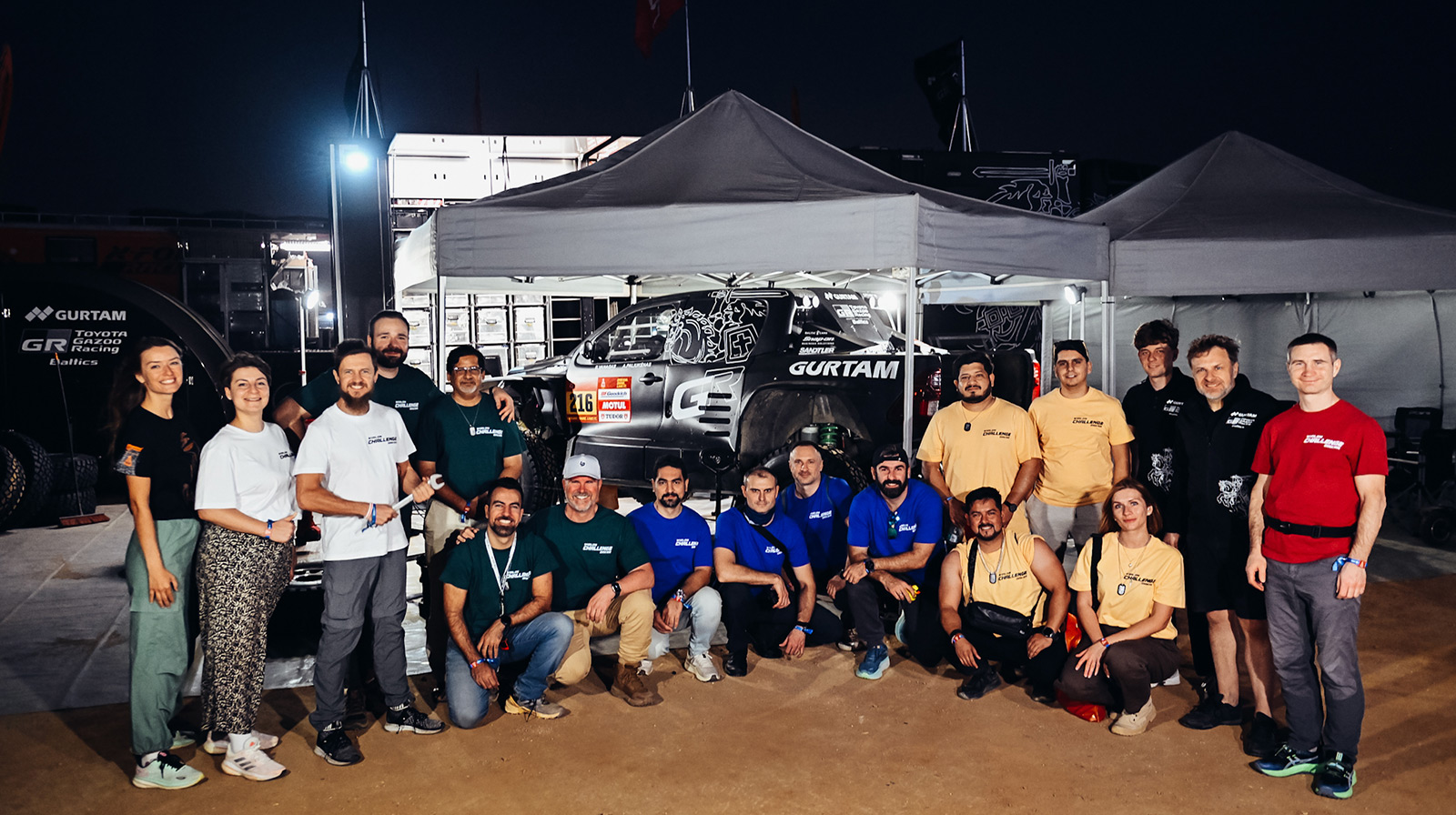
For more facts and a step-by-step look at how the challenge unfolded, check out our overview article.
Day 0
We’re driving through the city in the evening, and cars keep honking at us. People are taking photos, waving from open windows. It feels odd — we’re not speeding, not breaking any rules, just moving with the flow.
The Wialon Challenge concept has proven itself time and time again: extreme conditions, experienced partners, and Wialon as the backbone — helping you understand where you are and what comes next. In previous challenges, we’ve climbed an Indonesian volcano. We’ve made our way up Kilimanjaro. This year, though, we raised the stakes again.
In early January, the Dakar rally kicks off in Yanbu, a port city on the Red Sea. We follow the rally’s route, while carrying out our own missions alongside it. There are 4 teams, each made up of 3 partners and 1 Gurtam team member, plus a separate crew of organizers in a 5th vehicle. Everyone here is bold enough to sign up — and competitive enough to go for the win.
And there’s no shortage of missions — 68 in total. Some repeat every day; others appear 10 at a time with each new morning. Thankfully, the teams don’t get the full list upfront. One day, you’re chasing a professional rally driver off-road at 180 km/h. The next, you’re running through the ruins of an ancient city under the burning sun. What the next day will bring is often a mystery — even for the organizers.
But for now, one day before the start, everything still feels surprisingly normal: long flights (the record — a 50-hour journey from Ukraine, respect, Overseer!), a gathering at a hotel in Jeddah, and turning ordinary cars into rally-ready vehicles by hand — applying team colours, bright, flame-like stickers matched to their names: Blue, Red, Green, Yellow. How all of this will come off later is a problem we’re deliberately not thinking about yet.
And so, comfort ends here. The Wialon Challenge lasts 5 days — and that’s exactly how long we’ll be without it.
Day 1
From Jeddah to Yanbu — and the first complications
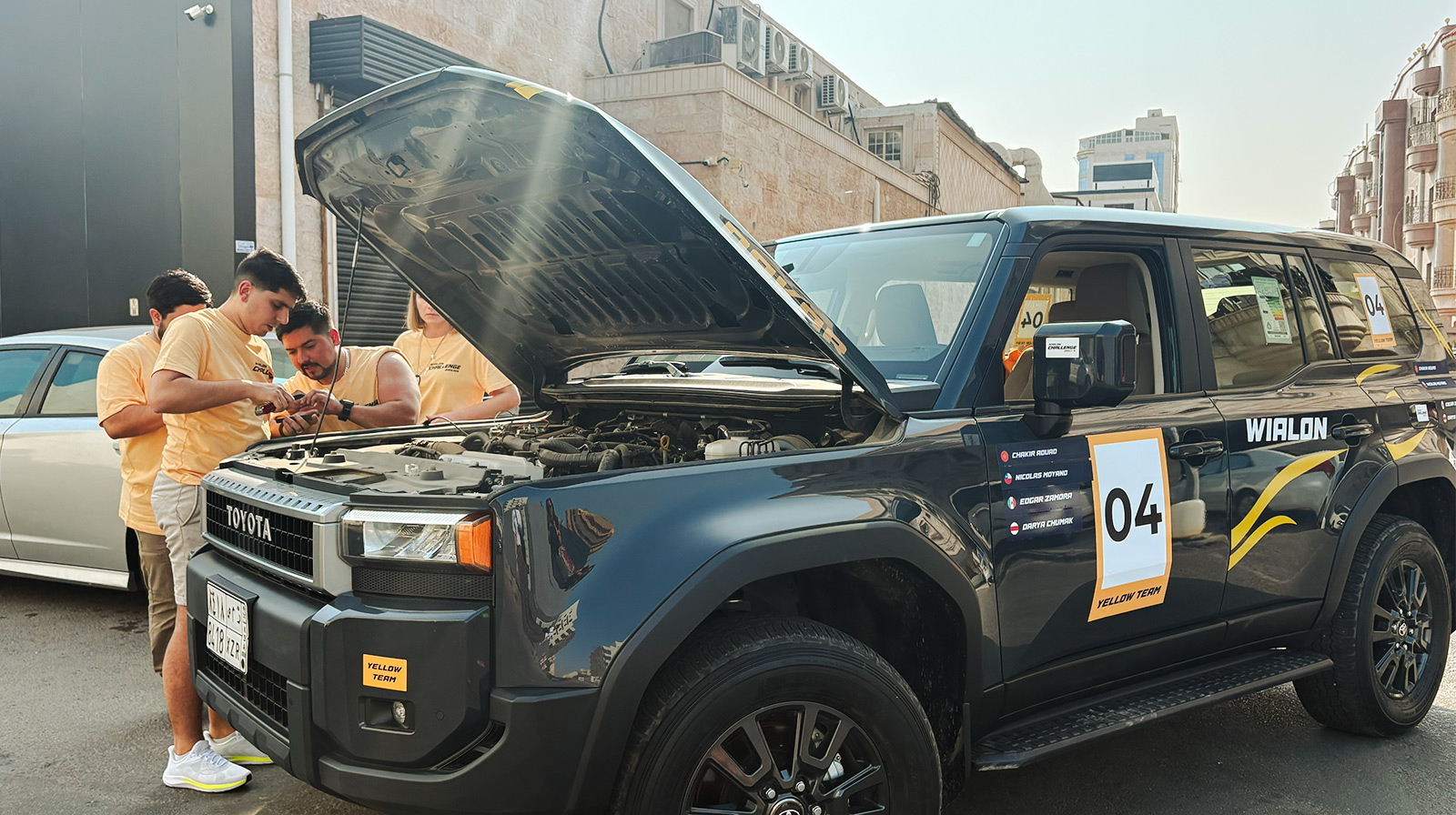
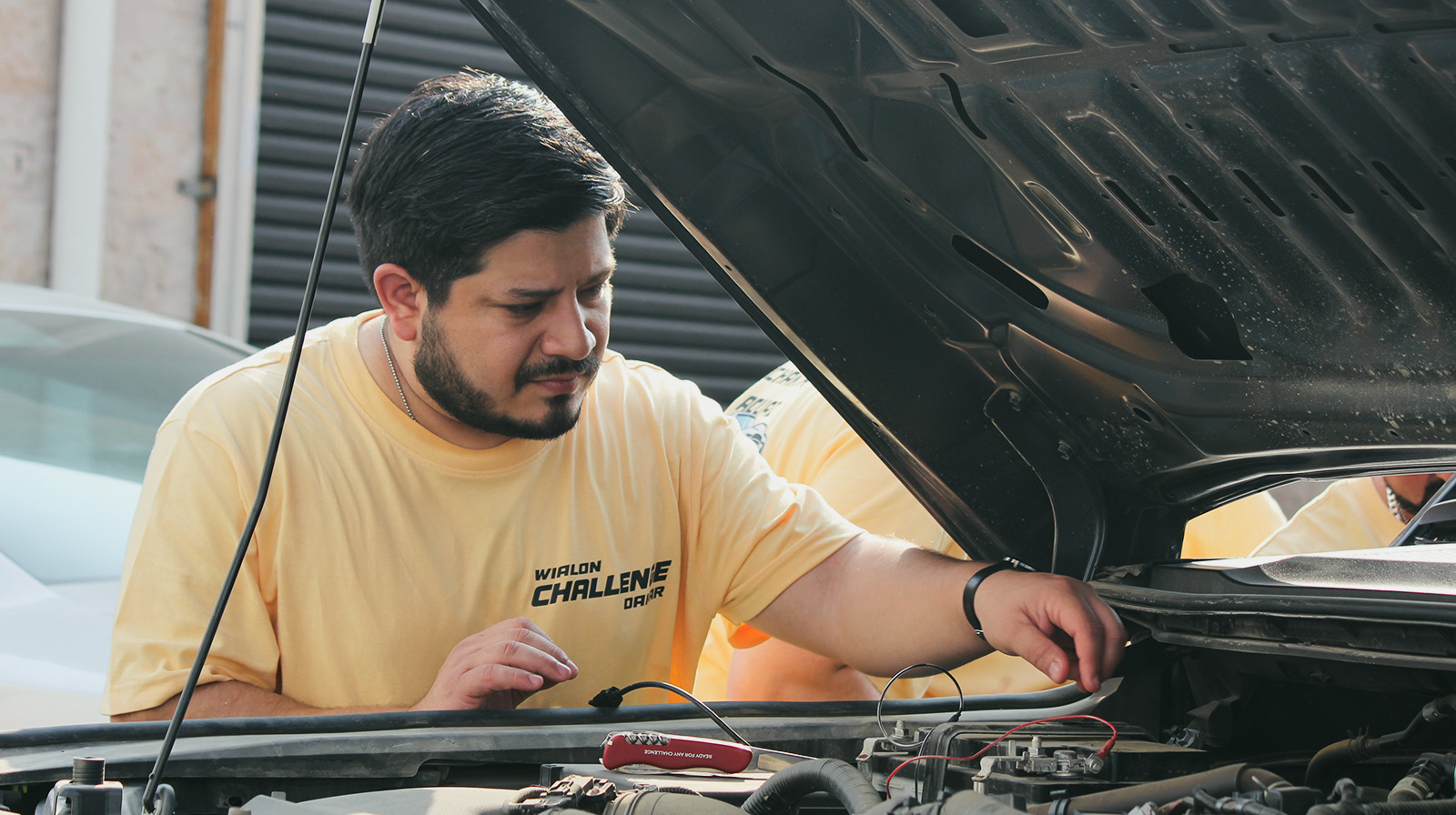
Day 1 starts with the fundamentals: installing trackers in the vehicles and connecting them to Wialon. You’d expect a group of CEOs and directors to struggle with hardware — but surprisingly, everyone handles it without a hitch.
__SLIDER_DKRR001__
The drama comes a bit later. It turns out the trackers our teams have just installed already have ID numbers in use in Wialon — by design, courtesy of the organizers. Which means they won’t work. At all.
So here you are. The extreme challenge is about to begin, time is tight, and the situation already feels like an emergency. What do you do in real life? You write to alarm@wialon.com — the contact reserved for situations that need an immediate fix.
Team Yellow takes a different route and messages the partner WhatsApp chat. Not a bad move — they’re quickly pointed to the right address, the issue is resolved, and soon all vehicles finally appear in Wialon. Community support at its best.
Only then can we get moving. The mission is to make it to the Dakar prologue in time for the start of the Gurtam Toyota Gazoo Racing Team, with Benediktas Vanagas behind the wheel. The teams have about 3 hours. The distance to cover: 350 kilometers.
It all sounds perfectly doable — if not for the extra missions the organizers keep handing out with generous enthusiasm. One of them is a Wialon-style scavenger hunt: teams have to find specific landmarks along the road to Yanbu, the starting point of the Dakar rally.
A small silver lining: bonus points for the longest distance covered that day.
“End of all restrictions”
The Dakar prologue is a short qualifying stage. Its results determine the starting order for the main race. Team Yellow reaches the start line 1st among the challenge participants — just minutes before the prologue begins.
The start itself is pure chaos: kilos of dust and sand thrown into the air as each car launches forward. Sand quickly becomes our constant companion. You feel it on your teeth every minute, shake it out of your hair, and later even out of laptop keyboards buried deep in backpacks in the back of the cars. On day one, you still try to fight it. After that, you give up and accept it.
There’s something ironic about what comes next. Right after the starting arch, facing the desert, there’s a road sign: “End of all restrictions.” For us, it turns out to be oddly prophetic. Over the course of the week, quite a few limits inside our own heads will disappear as well.
Burning Man for motorsport fans
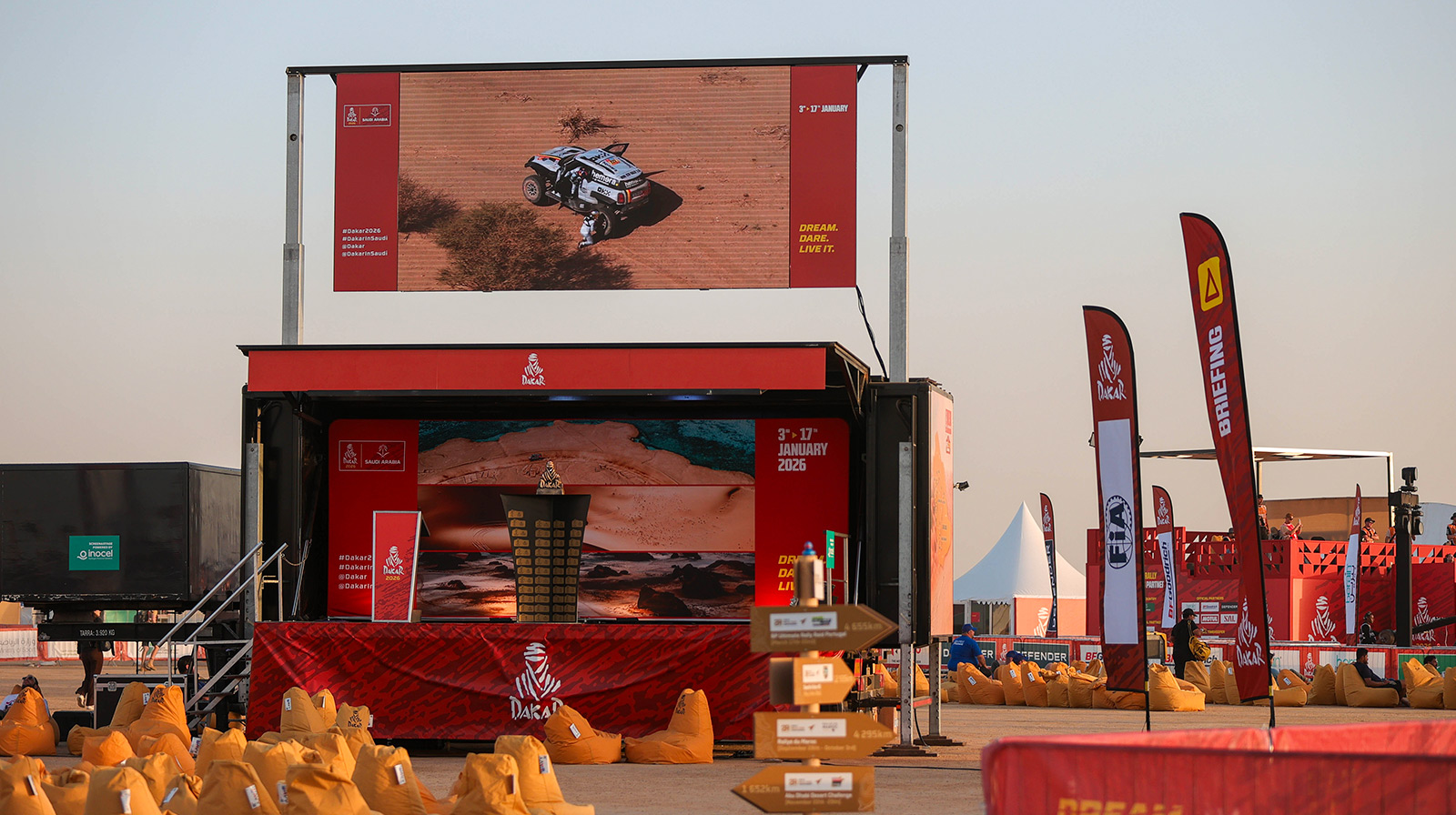
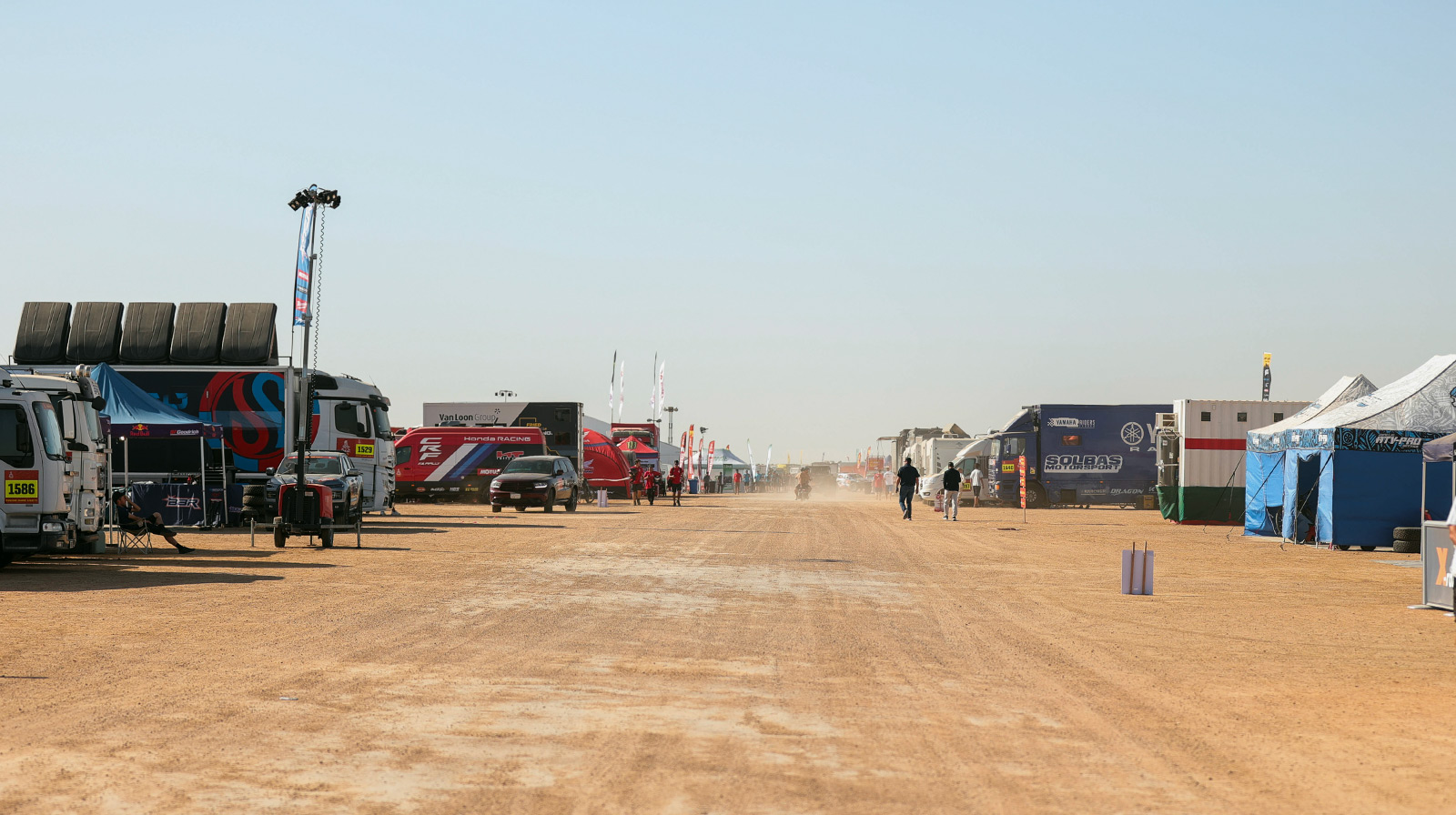
The next stop of the challenge is the bivouac. It’s not easy to describe in one sentence. Technically, it’s where drivers and mechanics sleep, repair the vehicles, and prepare for the next stages. In practice, it’s something in between a massive open-air garage, a Burning Man–style festival for off-road racing fans, and a high-octane nomad camp that will soon pack up and move on with the race.
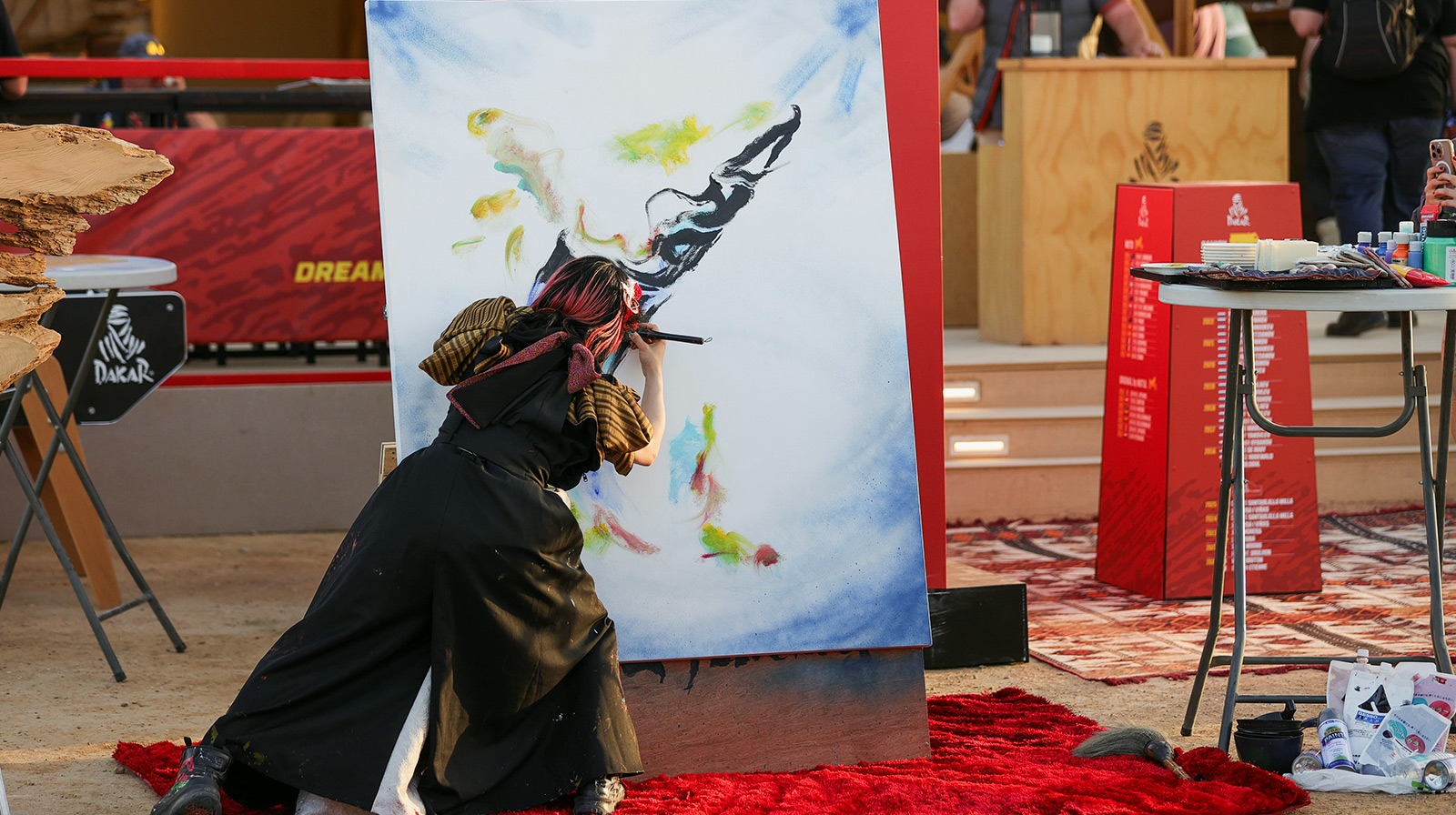
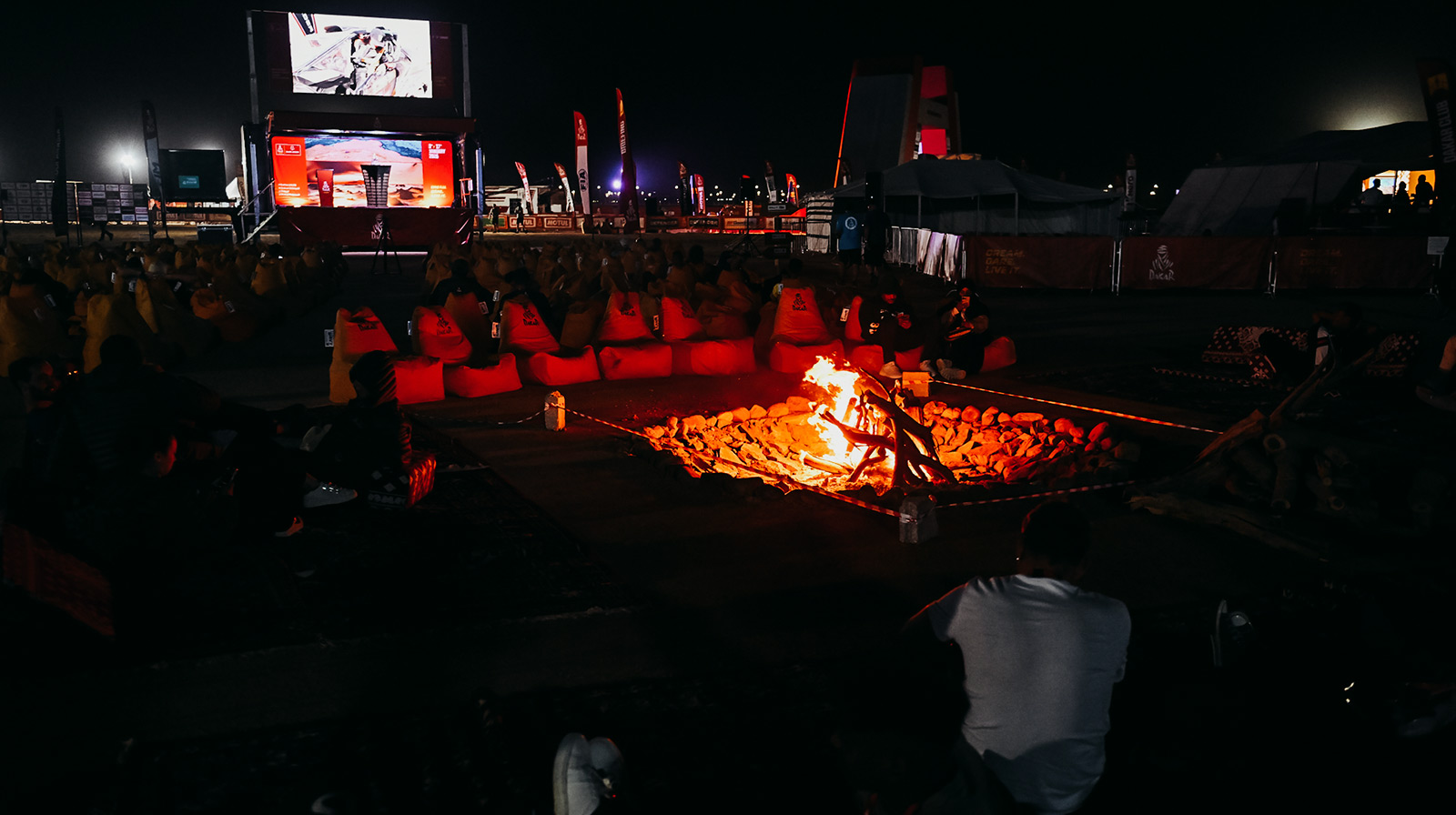
At the same time, the bivouac feels like a small city. It has its own streets, steady traffic — you quickly learn to keep an eye out for bicycles and scooters — and a central square. There’s an evening fire, a football field, a souvenir shop.
__SLIDER_DKRR002__
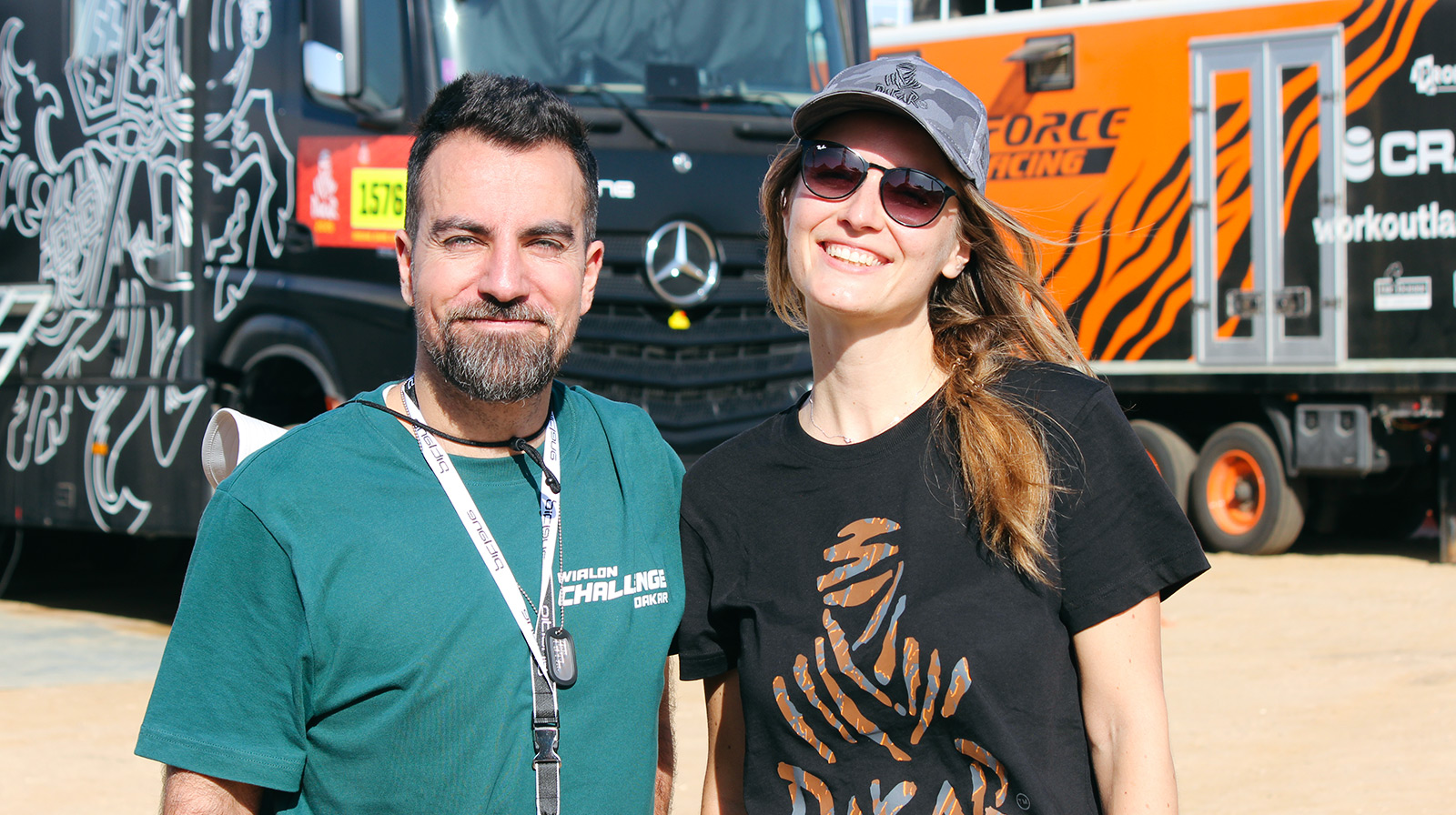
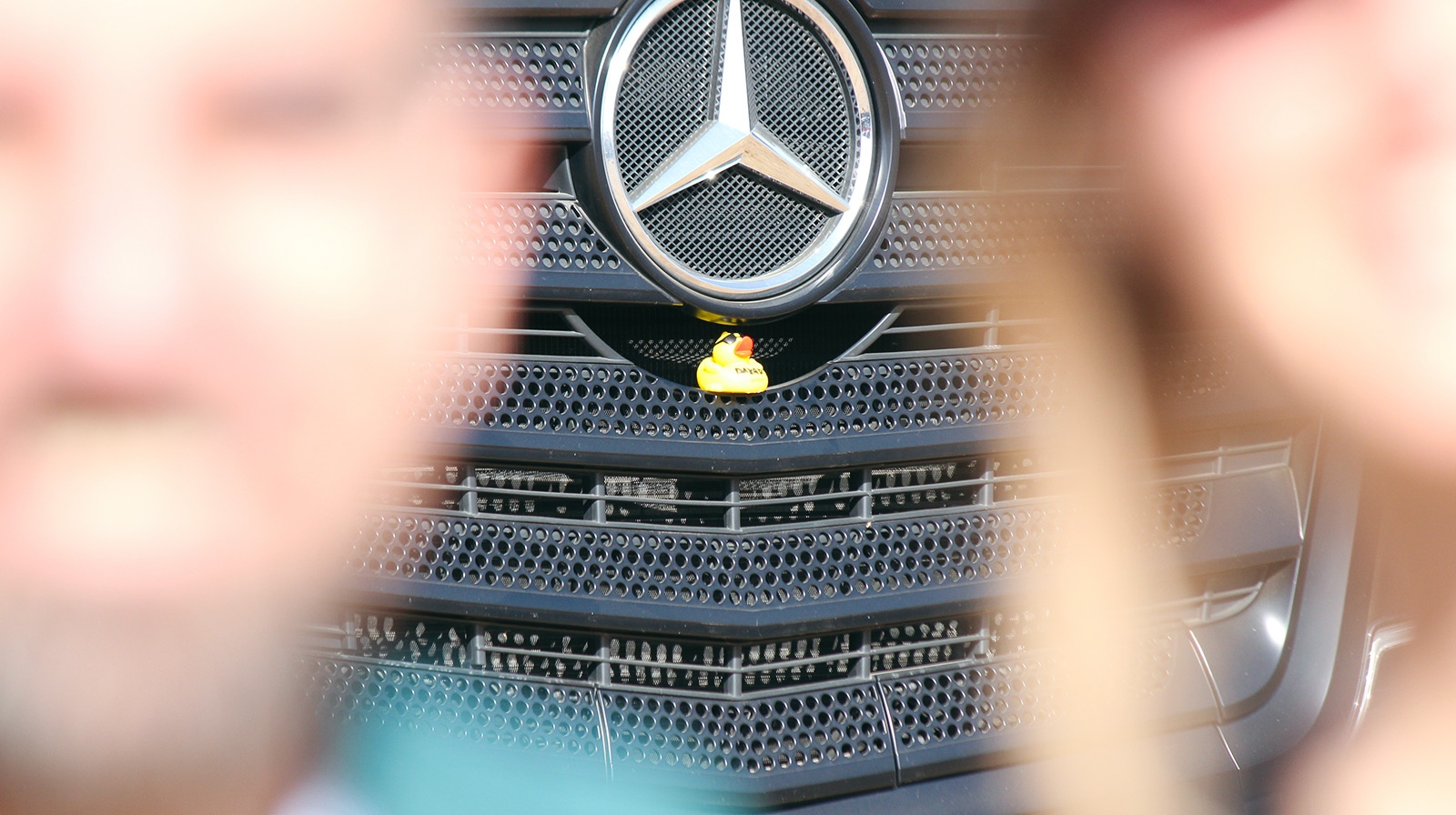
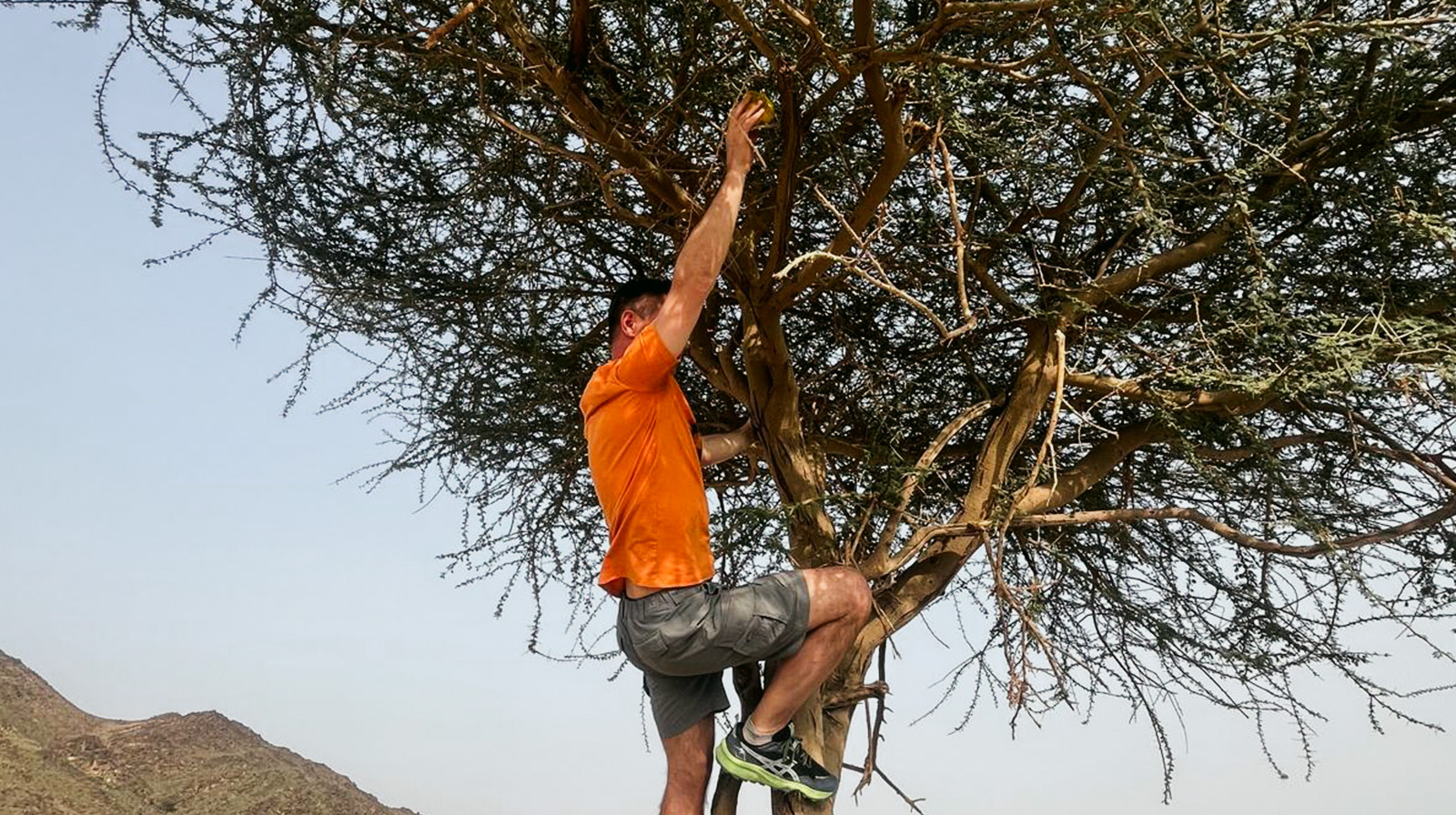
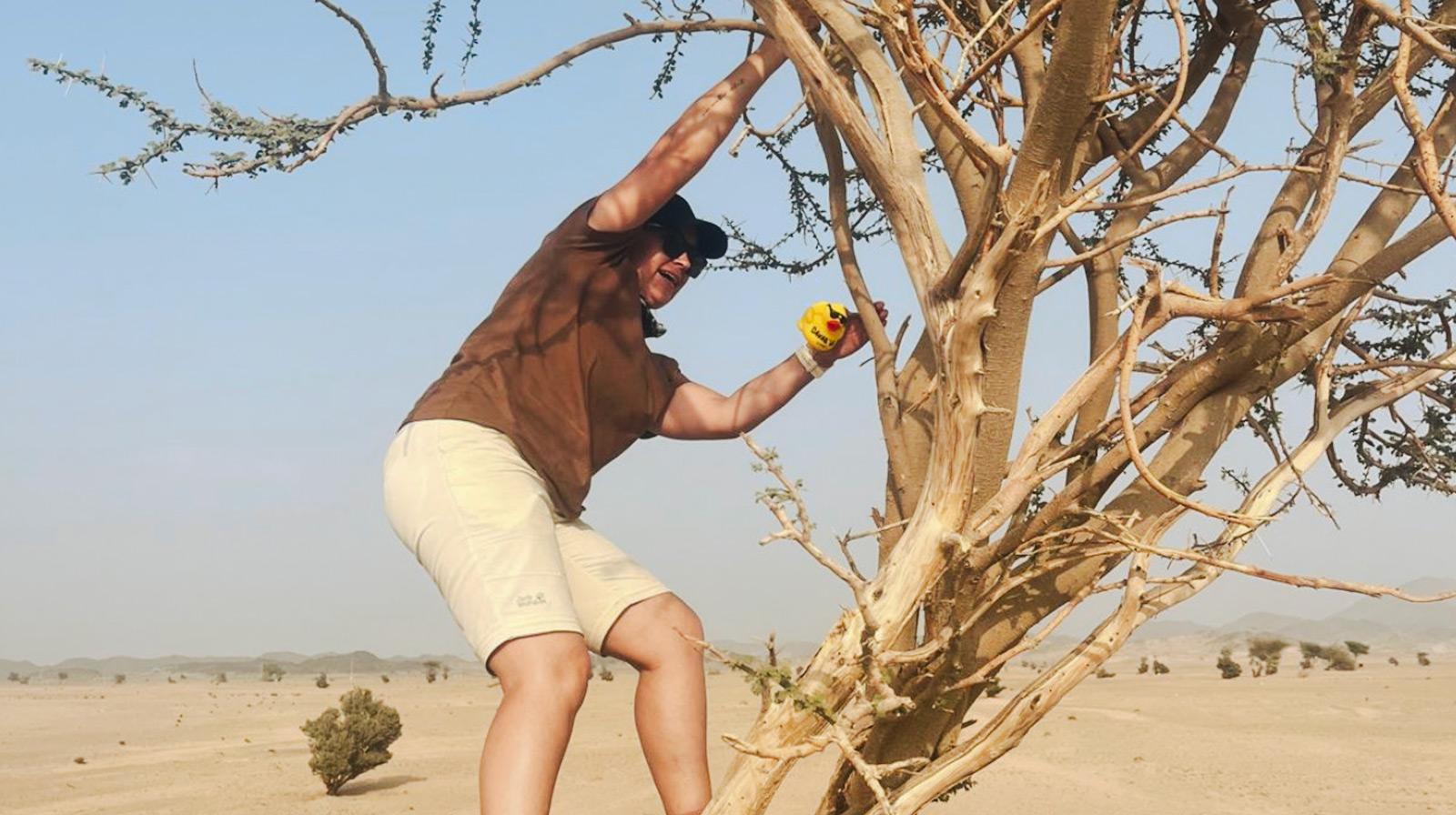
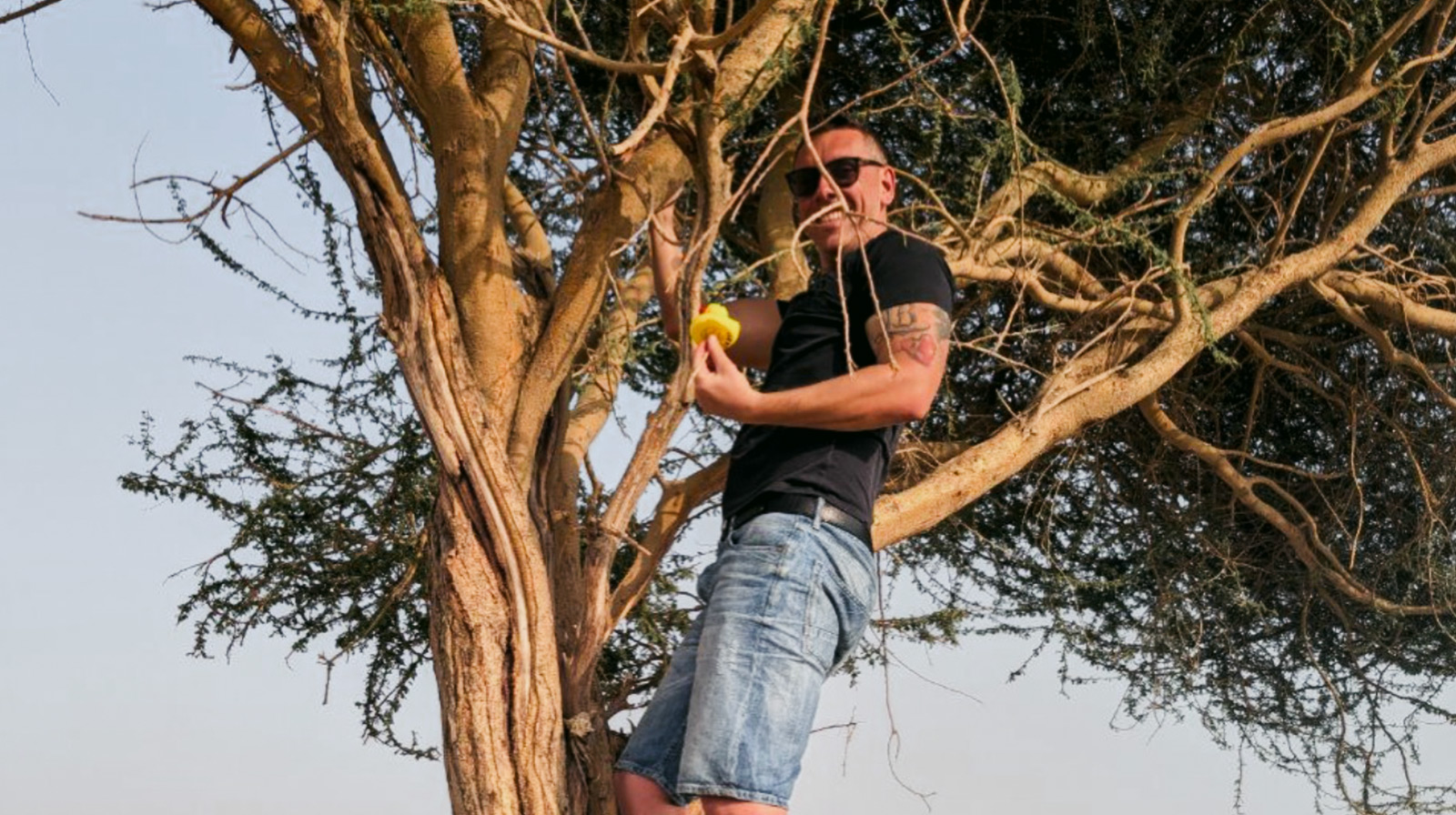
Green and Yellow start searching right away. Some ducks are easy to spot. Others take a bit more effort, including climbing onto the roof of Benediktas Vanagas’s truck. Team Green quickly proves particularly good at this, managing to find ducks in places no one else seems to notice.
__SLIDER_DKRR003__
Points can also be earned for helping the rally crews — sweeping the area, washing a car, even bringing coffee — or for getting a rare chance to sit inside a rally car cockpit.
Team Blue reaches the bivouac later than the others. They lose over an hour helping random Dakar fans change a wheel in the middle of the desert. Out here, that kind of mutual support matters. Especially when the challenge rules reward it with bonus points.
Team Red finally makes it out of the traffic jam near the airport and arrives at the bivouac closer to evening.
Dinner with legends, cold showers, and tents on sand
In the evening, we all gather for a shared dinner at the bivouac canteen. Whole chickens over open fire, local bread, rice. We share tables with real motorsport legends — Carlos Sainz is sitting nearby, and a little further down, Stéphane Peterhansel walks past carrying a tray. There’s talk that Red Bull owner Mark Mateschitz himself is driving for one of the teams, using an alias. We keep catching ourselves scanning the crowd.
It feels like a good moment to call it a day. But no.
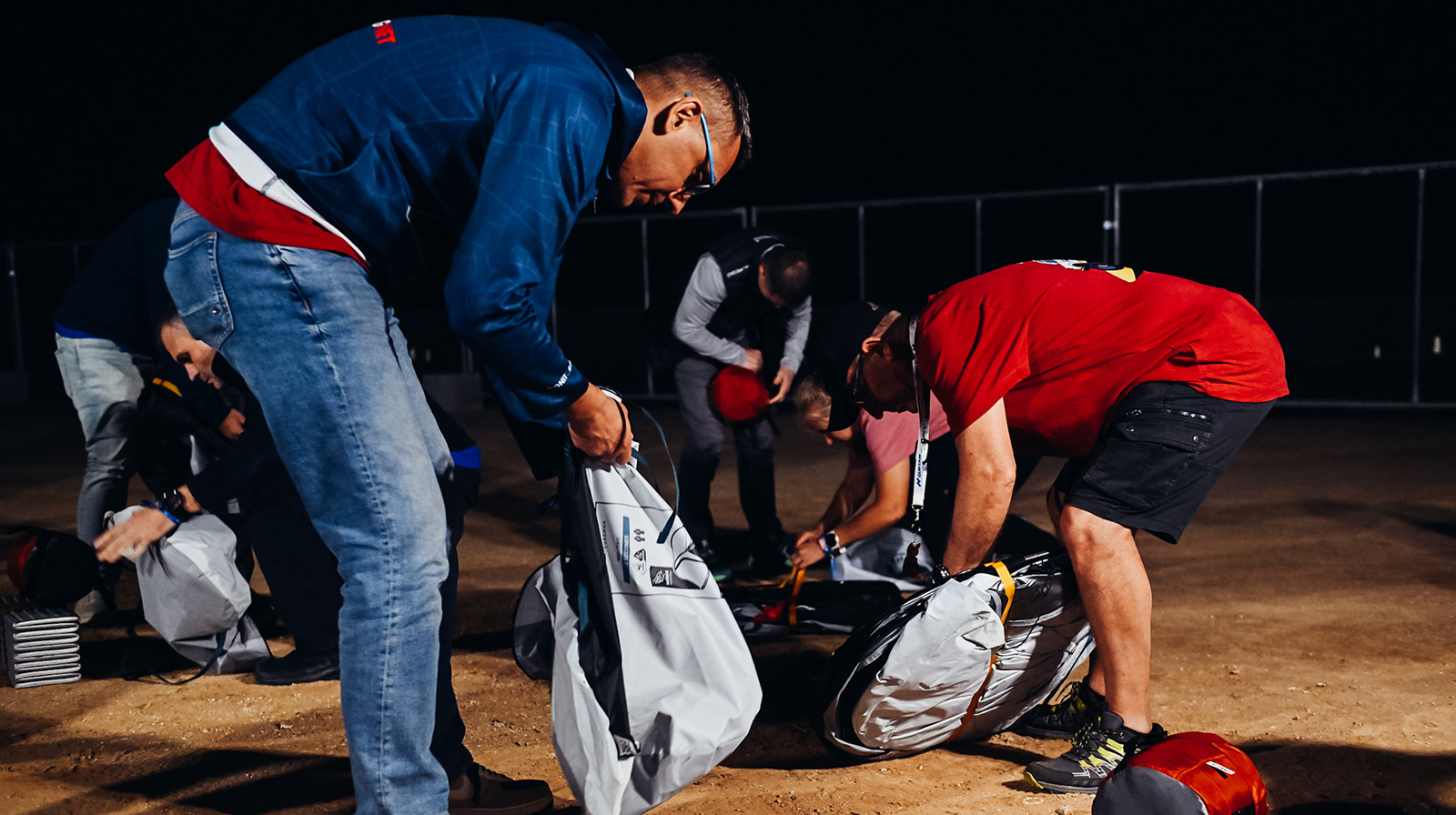
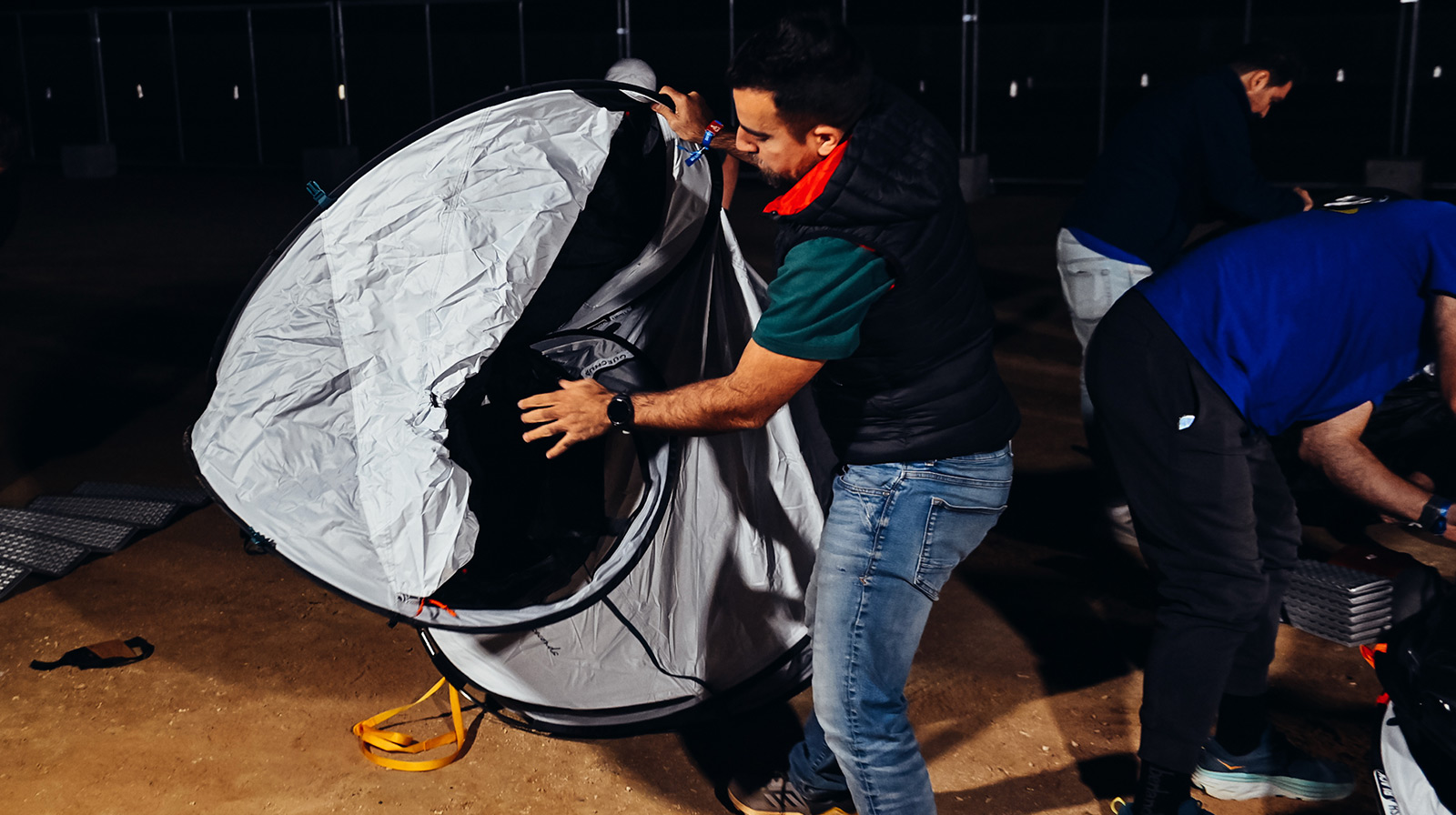
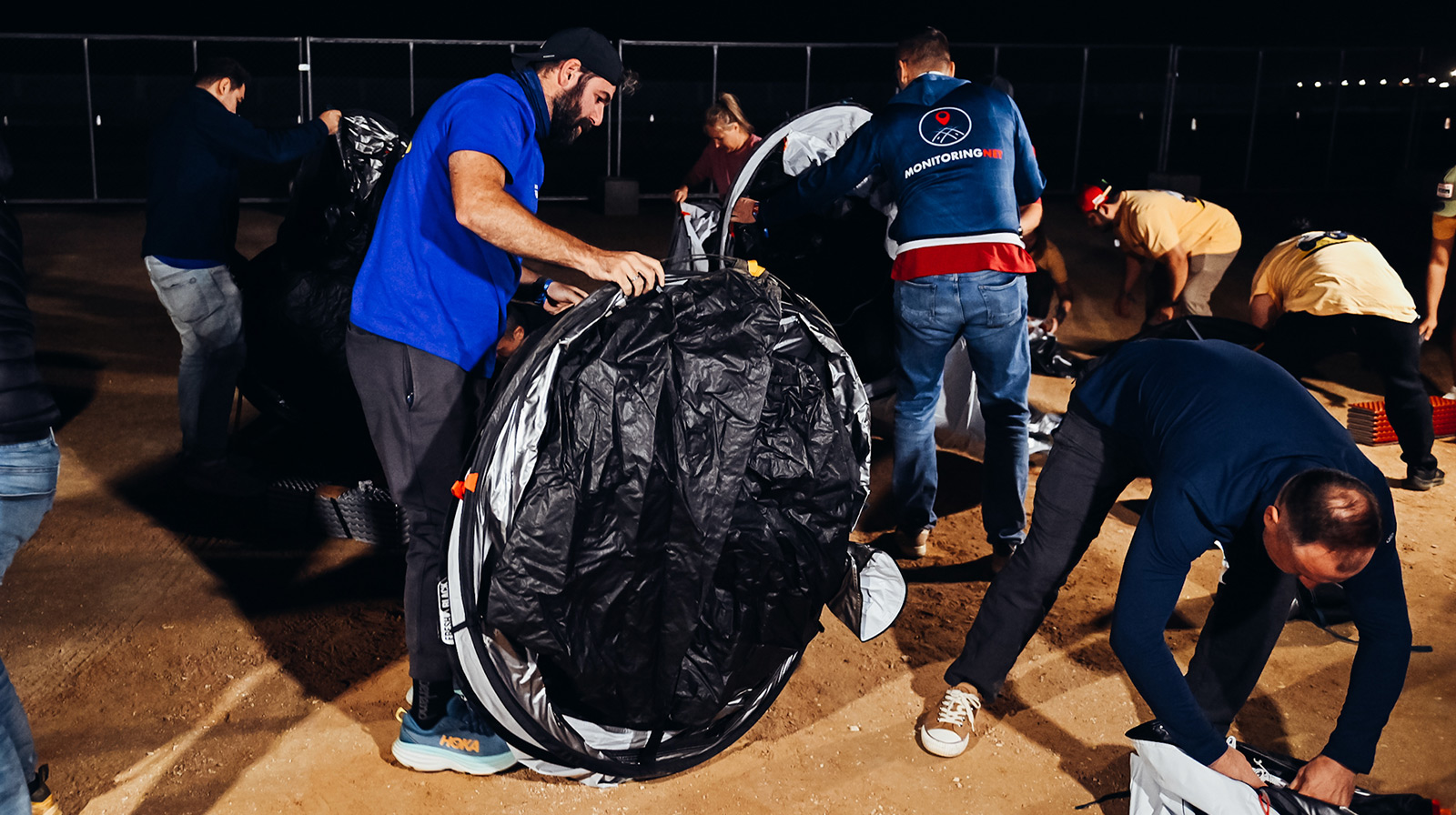
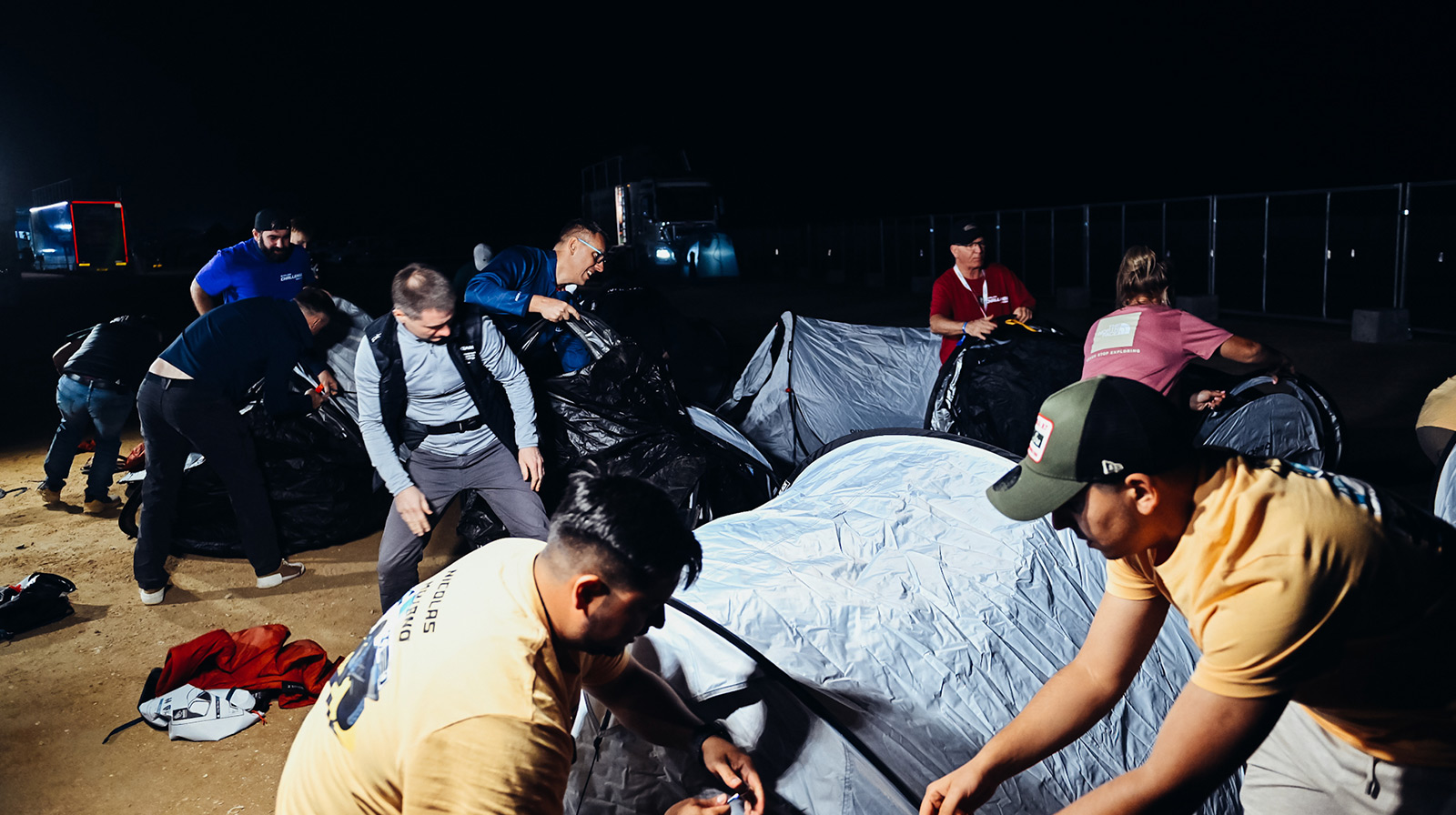
Even after dinner, there are still extra points to be earned. For example, for taking a shower at the bivouac — cold water only, but otherwise perfectly fine. Or for spending the night in a tent, right there on the sand. We brought 8 tents for 16 participants, half-expecting no one to sign up. Instead, there are more volunteers than places. After a round of discussions, the final lineup is set: 3 from Team Green, 2 each from Red and Blue, and 1 from Yellow.
While the rest of the challenge participants head off to a comfortable hotel, our 8 bivouac residents get to work — pitching their tents against the clock. Yes, we managed to turn even this into a competition, with extra points at stake.
__SLIDER_DKRR004__
A noisy night lies ahead. Around here, they say the bivouac never sleeps. It’s only the first day of Dakar, so there aren’t many broken cars yet. By the middle of the race, repairs, welding, and constant wrenching will go on all night, turning sleep into something more like lying inside an MRI machine than actual rest.
But that’s later. For now, there’s the desert night sky, a sudden 10-degree drop in temperature — and sand. Sand everywhere.
Day 2
“You can always follow the dust clouds from the race cars”
Benediktas Vanagas of the Gurtam Toyota Gazoo Racing Team posts a strong result in the prologue, which means an early start on the first day of the main race — 9 a.m. sharp. We all want to support him and see the start with our own eyes. Which means leaving early, whether from the hotel or straight from the bivouac.
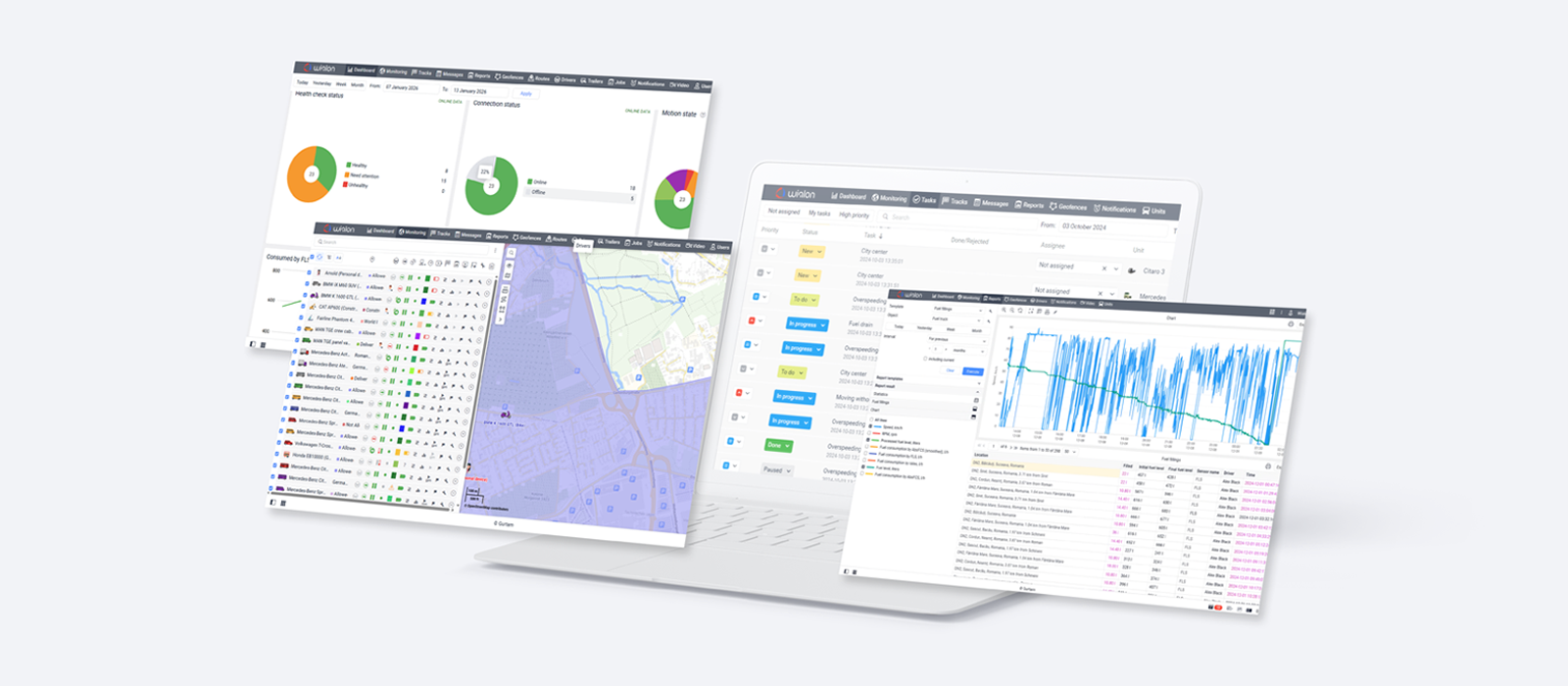
In the desert, there are no addresses, and roads are more of a suggestion than a rule. All the key locations are marked as geofences in Wialon. That includes the start of Dakar’s 1st stage. There’s no internet out here among the dunes, so the fastest teams are the ones who downloaded their maps in advance.
Anything that helps with navigation is fair game: Google Maps, OpenStreetMap, Maps.me, whatever works. Wialon consistently keeps sending notifications through every available channel — via Telegram when there’s internet, via Garmin over satellite, and even through good old SMS straight to the phone.
There’s no doubt about the destination. And if all else fails, you can always follow the towering dust clouds kicked up by the race cars — visible from kilometers away.
Interviews, autographs, and tire changes
The amount of protective gear a driver puts on before a stage is staggering. “Like harnessing a horse,” the drivers joke. Which makes sense: the desert isn’t exactly forgiving, the physical load is intense, and lightweight, partially carbon-built cars fly across the sand at speeds close to 180 km/h.
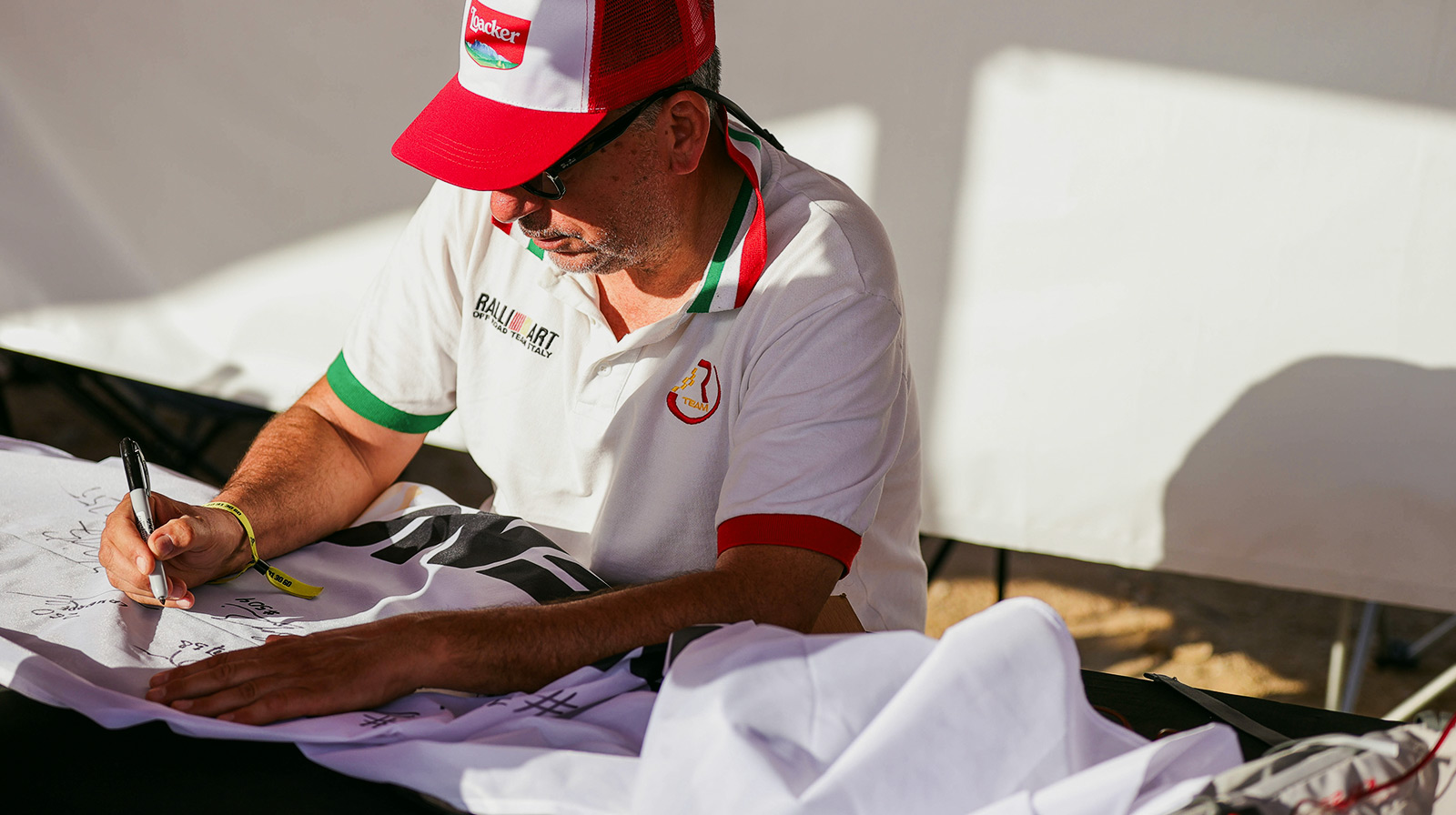
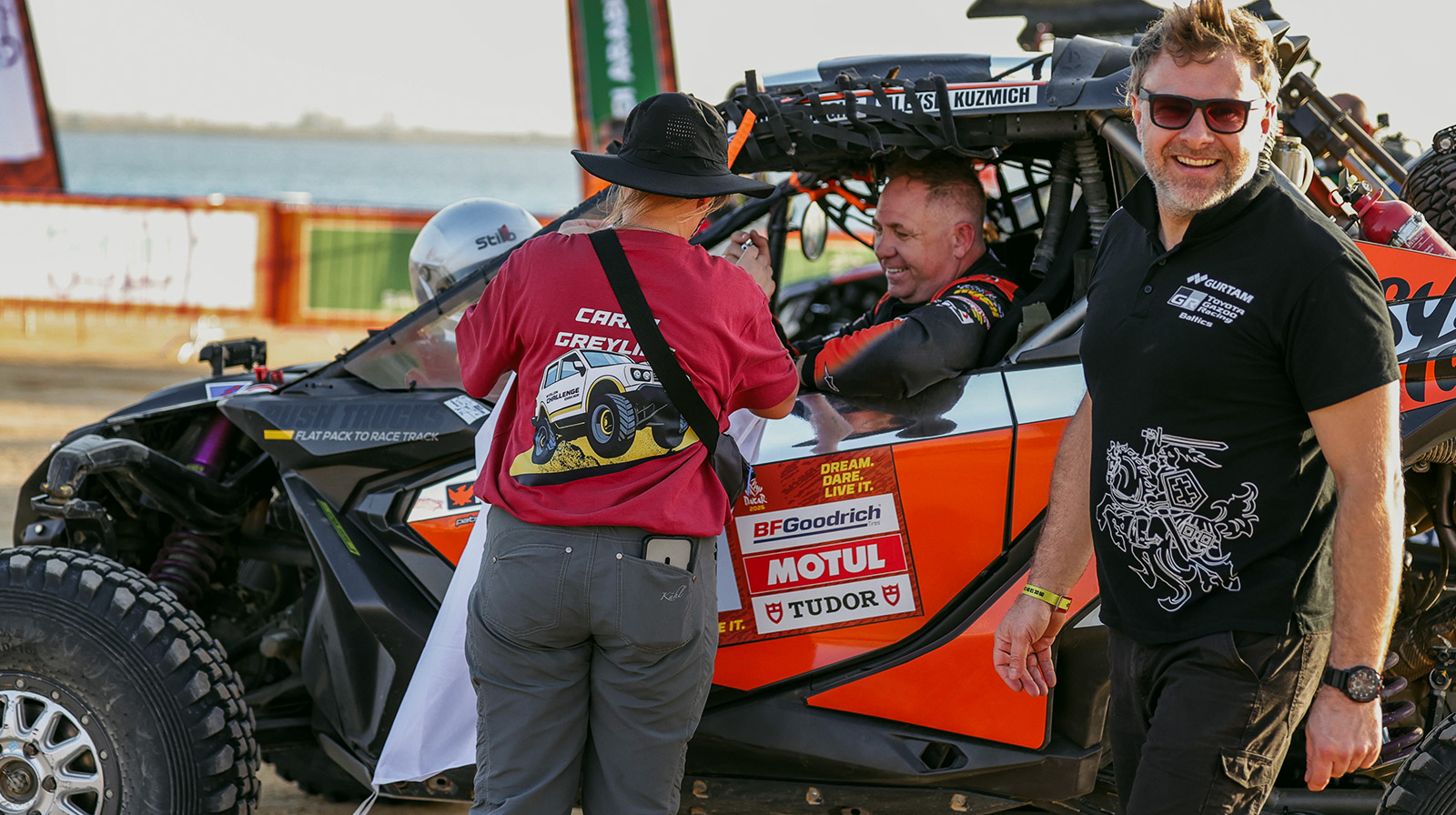
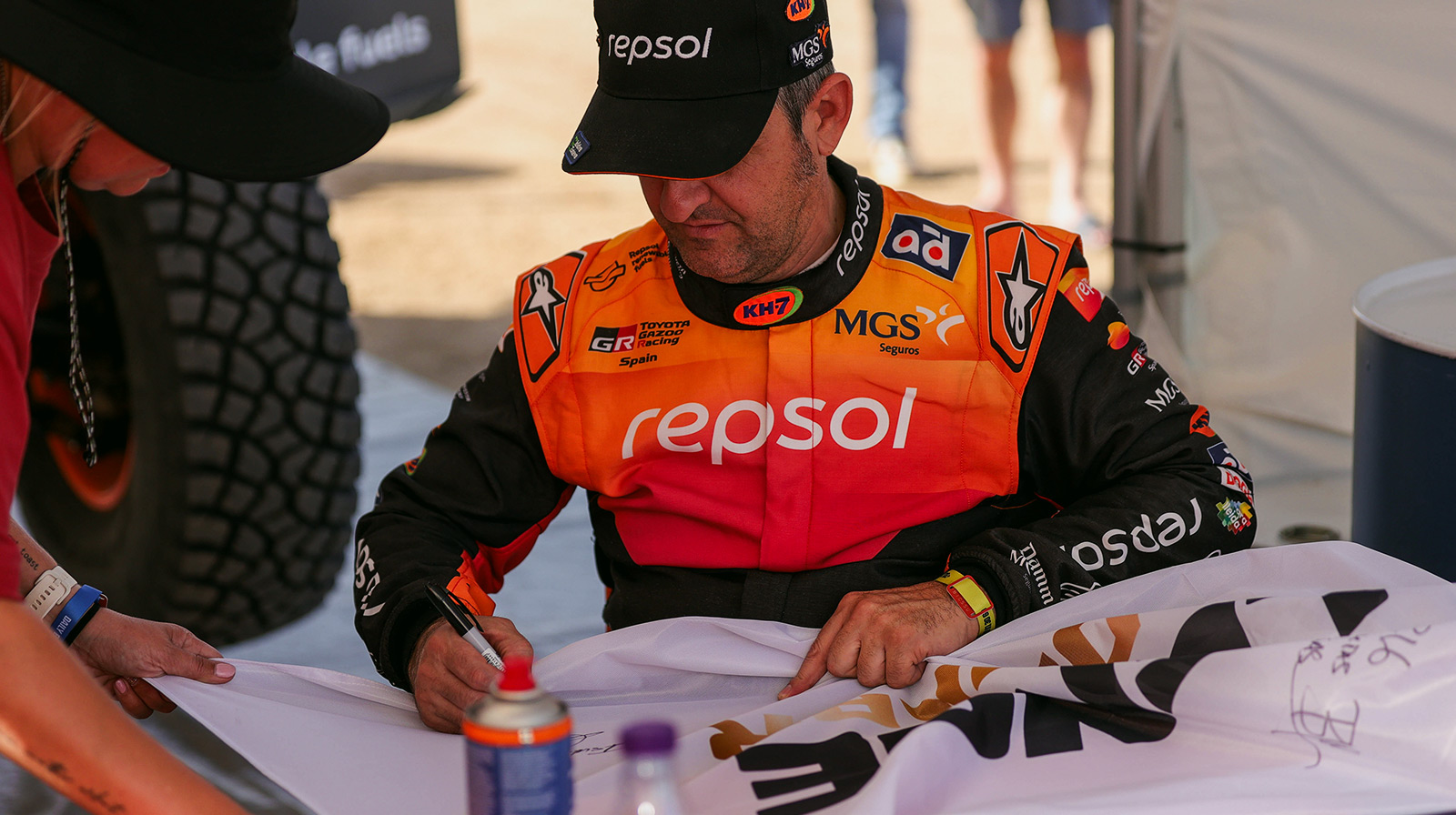
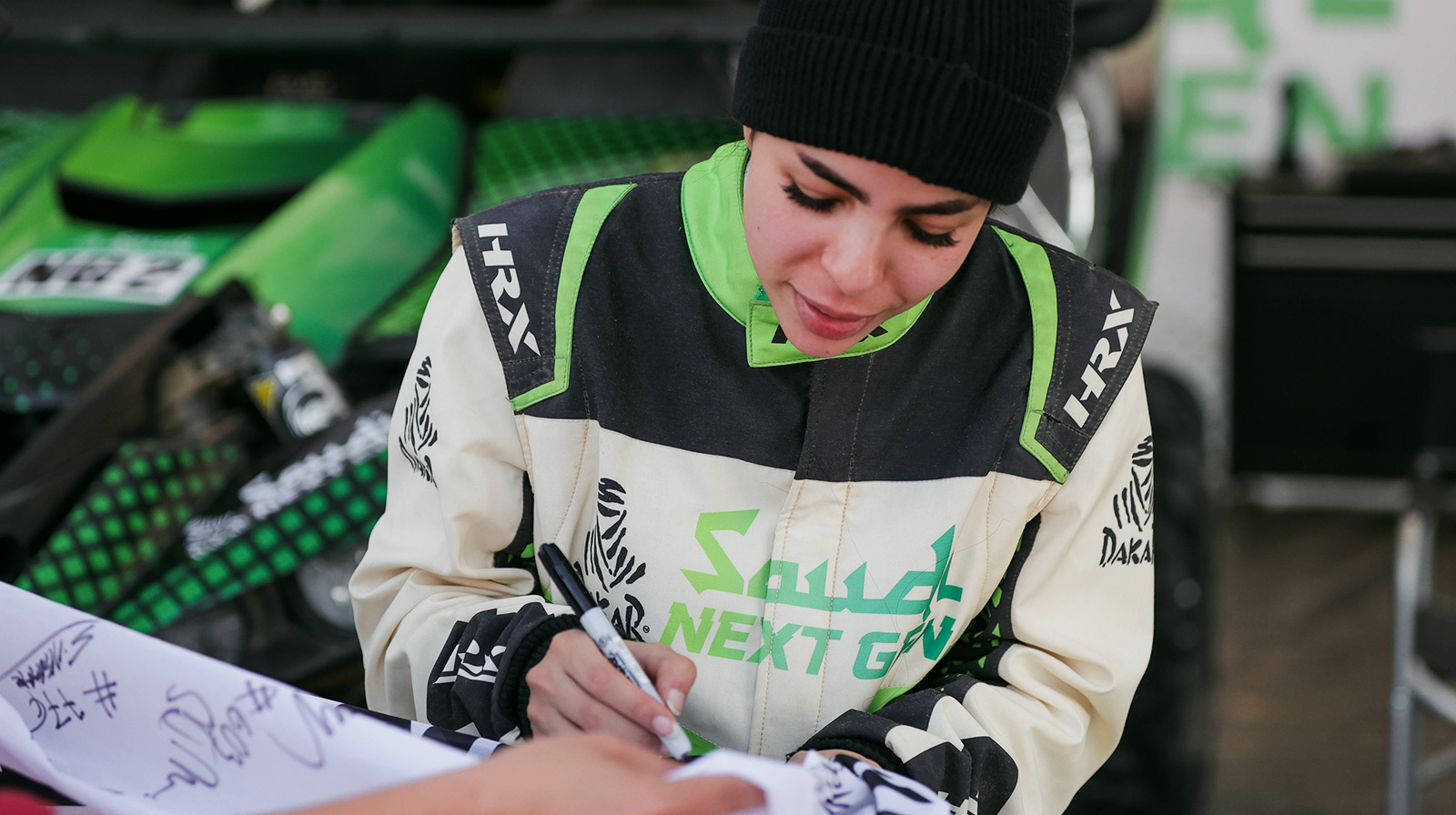
All day long, challenge participants talk to the drivers about this — and plenty more. The mission list includes interviews with racers, collecting autographs, and even finding drivers from your own country. Our teams turn out to be impressively international: 14 countries represented by 16 participants.
__SLIDER_DKRR005__
Some teams get lucky. Edgar and Nicolas from Team Yellow, representing Mexico and Chile, run into Spanish-speaking drivers when they stop to help change a tire on a race car. The result: points for helping out, and points for meeting drivers from their own region — 2 missions checked off at once.
Others have to work harder to create those moments. It turns into a separate quest altogether. Using a very approximate map provided by the Dakar organizers, teams try to predict where the racers will pass, plot a route — ideally on public roads, to get there faster — and arrive on time. All while making sure not to stray too far into the desert, where getting back can cost precious hours.
Lost flash drives and missing bumpers
Every day comes with a fresh set of side missions. One of them involves finding flash drives “left behind” in team vehicles by the previous drivers. In the heat of the search, a few teams practically dismantle their Prados bolt by bolt — only to discover the flash drive tucked deep inside a seat. The final step is to crack a secret code.
By evening, after all the adventures of Day 2, the teams and challenge organizers regroup for a shared dinner at the hotel. On the agenda: presenting all the Wialon ducks found during the day — and larger discoveries, grouped under the collective name “Dakar relics.” These are car parts lost by rally crews along the route.
At first, the finds are modest — small nuts and bolts. A few days in, the finds get more serious. Teams proudly bring in oil-stained chunks of brake systems, pieces of engine bay protection, and other decidedly solid artifacts.
The daily debriefs stretch late into the evening, fueled by constant bursts of laughter. The waiters’ faces are priceless. They don’t often see a crowd this international, enthusiastically comparing autographs on flags (points), fan team merchandise (more points), and torn-off bumpers (yep, more points!).
Day 3
“Everyone’s trying traditional food — while trucks fly past in the background”
Today is the last chance to complete the missions tied directly to the Dakar rally. After that, the race heads deeper into the desert, while we stay around Yanbu. We hurry to the service area — a kind of technical pit stop in the middle of nowhere — where broken parts can be fixed quickly and wheels swapped just as fast.
We’re busy watching the service crews work at lightning speed when we almost miss the day’s main surprise. A new geofence appears in Wialon near the service area: Picnic area. The mission is simple on paper: enter the geofence as close to 1:00 p.m. as possible.
Team Red is the first to reach the area, already nearby at 12:14. But they hesitate, unsure about leaving the road. The geofence sits right in the middle of the desert — we weren’t planning to host a picnic on the side of the highway. Team Green arrives 5 minutes later, takes a decisive turn off the road, and ends up entering the geofence just 10 seconds before Red.
A tiny gap, considering the journey takes more than 3 hours — and both teams managed to puncture and change their tires along the way.
No one arrives at the picnic empty-handed. The mission is to set the table using products from your home country, with a strict budget of no more than 20 euros. Almost magically, the desert fills with food: ajvar from Serbia, homemade sweets from Morocco, oranges with Tajín from Mexico, Belarusian marshmallows, dried meat from Australia, sprats on black bread from Lithuania. International in the best possible way — very much in the spirit of the Wialon community.
Edgar from Team Yellow drags in 4 massive stones, each weighing around 100 kilograms, to create makeshift seating. People wander from group to group, trying each other’s food, while trucks race past in the background — they have their own class in the rally.
Team Blue goes one step further and lights a large fire. On the menu: boiled corn, Georgian beach-style (hi, Giorgi), and local coffee from Re’Al.
Hey, got a light?
The fire theme continues in the next set of missions. The teams are asked to channel their inner survivalists and make fire on their own — using a magnifying glass (the desert sun sets early, so these attempts feel almost doomed), a fire striker, or plain old friction with dry sticks.
Surprisingly, this turns out to be one of the most physically demanding missions of the day. Which is why everyone is genuinely relieved when Team Red finally manages to get a flame going. They share their hard-earned know-how with the others, and soon small fires begin appearing across the desert.
Another physical challenge follows: reach the highest accessible point. Team Green takes the pragmatic route and drives into the mountains, climbing to 827 meters above sea level. Team Red goes the other way — on foot — scrambling their way up 388 meters.
The day wraps up over dinner at the hotel. Points are awarded to teams that, according to Wialon data, cover the longest and shortest distances, as well as those with the lowest fuel consumption per 100 kilometers. Eco-friendly habits still matter — even in the desert.
One thing becomes clear: within the same team, fuel consumption can swing wildly depending on who’s behind the wheel that day — anywhere from 9.8 to 17.6 liters per 100 kilometers.
Day 4
Treasures among the city ruins
Ruins of an old city. Narrow, abandoned streets. Collapsed houses. Silence. Total stillness. And then the cars of the Wialon Challenge Dakar arrive almost at the same time, tearing through the calm with the sound of engines.
For the next 2 hours, the teams tackle the most physically demanding mission of the entire challenge. The mission: hide large, heavy sandboards somewhere among the ruins — against the clock — and then find them again, also against the clock. Blazing sun, sand everywhere, constant climbing over broken walls and rubble. A typical day for Wialon partners, challenge edition.
The next mission is wheel changes. As always, against the clock.
Teams Red and Green have been here before. Getting a puncture in the desert isn’t exactly rare — tires are the most common consumable, and during Dakar, roadside workshops operate around the clock. Still, we have our own specialists. In a tense showdown, Team Green edges out Red to take the win.
Team Yellow doesn’t win on speed, but they do take the jury’s choice award. Their wheel change is done in royal style — lying comfortably on a traditional carpet left over from yesterday’s picnic.
Just like Dakar: navs off, roadbooks out
Everything is done Dakar-style. The cars roll off on fresh tires, navigators switched off. In the front passenger seats, challenge participants step into a new role — rally navigators, paper roadbooks in hand.
Ahead lies at least 20 kilometers without digital guidance. At least is the key word here: miss a checkpoint, and you’re turning around and looping back.
The roadbooks used in the challenge follow the same logic as those in Dakar itself. The same symbols, the same need to read terrain on the fly and think several moves ahead. Key points are marked as geofences in Wialon, and points are awarded for the fastest time between checkpoints. Everyone has an equal shot at winning individual segments — even if a team needs a moment to adjust to analog navigation.
Drivers have their own challenge: pushing through sand dunes, trying to cover roughly 150 meters between checkpoints faster than the rest. Navigators, meanwhile, are busy not only reading the map but negotiating inside the team — everyone wants a turn in the seat.
The mission turns out to be genuinely tough. “Overshoots” happen often: miss a crucial rock or lone tree from the roadbook, and there’s no choice but to turn back and try again.
Coordinates for yellow ducks
After the bivouac, the teams have trained their eyes well — spotting yellow Wialon ducks in the desert now comes almost naturally. That skill comes in handy in the next mission. First, though, they need to figure out where to look.
This is where Team Red, arriving 1st, gains a strategic advantage — and access to the ducks. Some of them have to be retrieved straight from trees.
__SLIDER_DKRR006__
The day wraps up with a sunset photo contest — a short pause in the middle of the race to stop, look around, and take in the scale and quiet power of the desert.
Day 5
The grand Yanbu chase
Before heading back to Jeddah, the teams have unfinished business in Yanbu. The place is said to be perfect for car chases — so that becomes the main mission of the day.
A high-speed chase sounds exciting enough. But Team Green opts for a more creative tactic. They head for an open sandy lot and deliberately skid, kicking up a massive dust cloud to block the pursuers’ view of the rear window.
The chase continues through this artificial sandstorm for a full 10 minutes. And somewhere along the way, it finally becomes clear where those strange circles in the fields come from.
Out of the comfort zone
The Wialon Challenge was designed to push people out of their comfort zones. The next mission does exactly that: getting invited in for tea by locals. Even though most of us don’t speak Arabic, it turns out to be surprisingly easy. People in Yanbu are welcoming and happy to invite strangers into their homes. Tea and cardamom coffee flow freely.
Another social mission is to gather as many people as possible into a photo with the team’s car. Teams get creative. One heads straight to the city’s largest construction site — right during lunch break.
After all that, it’s time to head back to Jeddah. Not everyone takes the most direct route. Extra points are up for grabs for showing love for Wialon — by “drawing” the letter W in different ways. With the longest possible vehicle track on the map. With a WiaTag track (which means running under the sun with a smartphone in hand). Or, quite simply, by forming the letter with your own bodies.
Somehow, there’s still enough energy left for all of it.
3 hours later, the exhausted teams are back in Jeddah. Cars go straight to the wash — good news: no need to peel off the stickers by hand. Then comes a well-earned dinner, spa time, and massages.
Day 6
“I have never…”
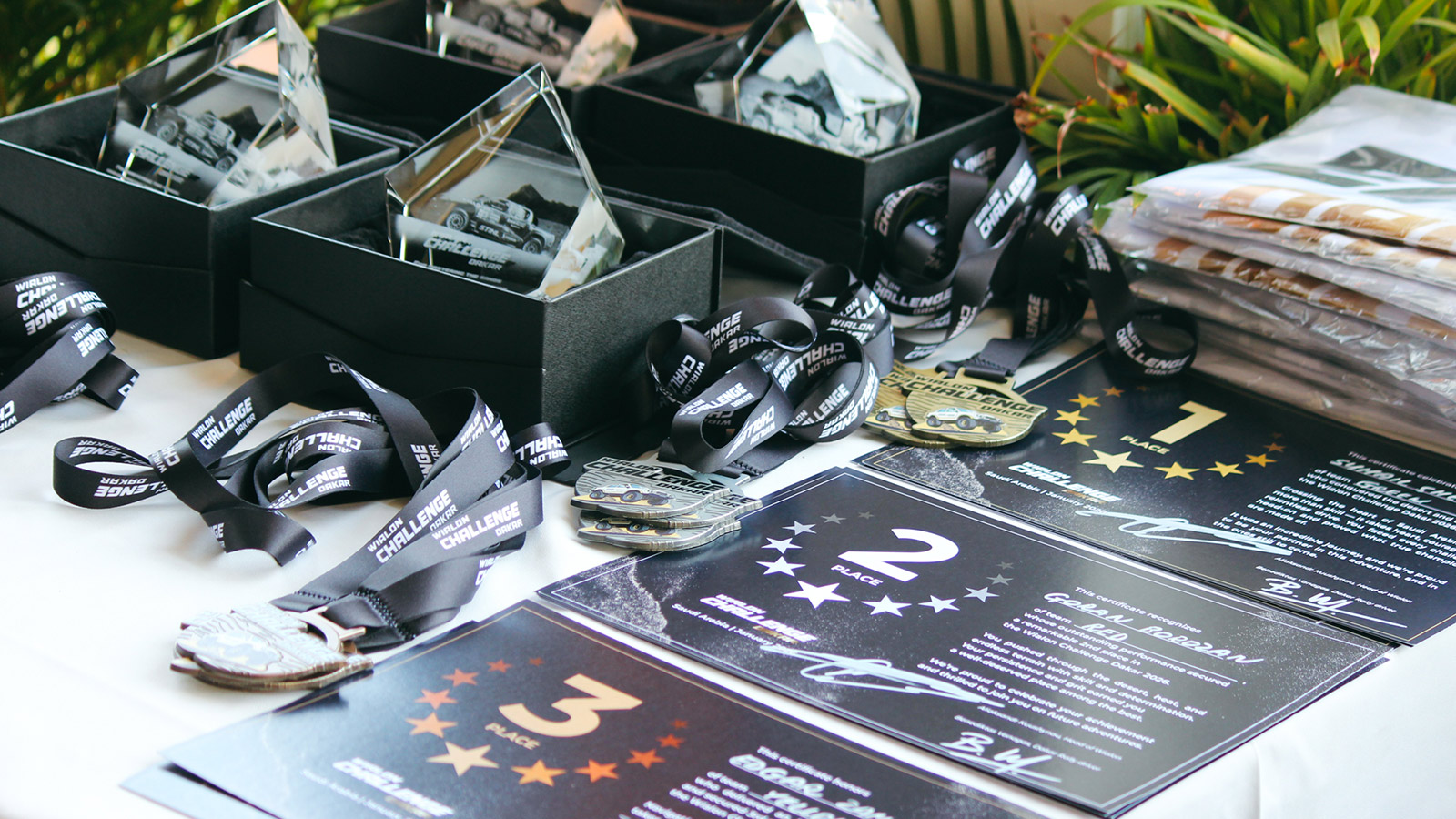
At last, there’s time to sleep in. No rush, no early alarms. The only thing left — and the most pleasant part — is the awards ceremony.
__SLIDER_DKR005__
As a keepsake, every participant receives custom-made, shock-resistant Wialon watches designed specifically for the challenge — with dunes and camels on the dial. Along with that come a few gigabytes of video footage, dozens of stories worth retelling — and a lot of sincere thank-yous.
The phrase of the day, repeated again and again by almost everyone, is simple:
“I have never…”
I have never slept in a tent in the desert.
I have never stepped into a stranger’s home in another country.
I have never raced across sand guided only by a paper roadbook.
I have never run around a Dakar bivouac looking for yellow ducks.
And the list goes on.
All of this — and more — became possible thanks to the Wialon Challenge Dakar: a project with a big heart and a bold challenge, one we weren’t afraid to put in front of our community.
And our partners rose to it.
Once again, they showed exactly why we value the Wialon community: commitment to their craft, solidarity, and the ability to find a way forward — no matter the conditions.
Some of these moments stayed on the route. Others — in photos and short updates we shared along the way on LinkedIn, Facebook, and Instagram.
And the Wialon Challenge Instagram page keeps the rest of the story:
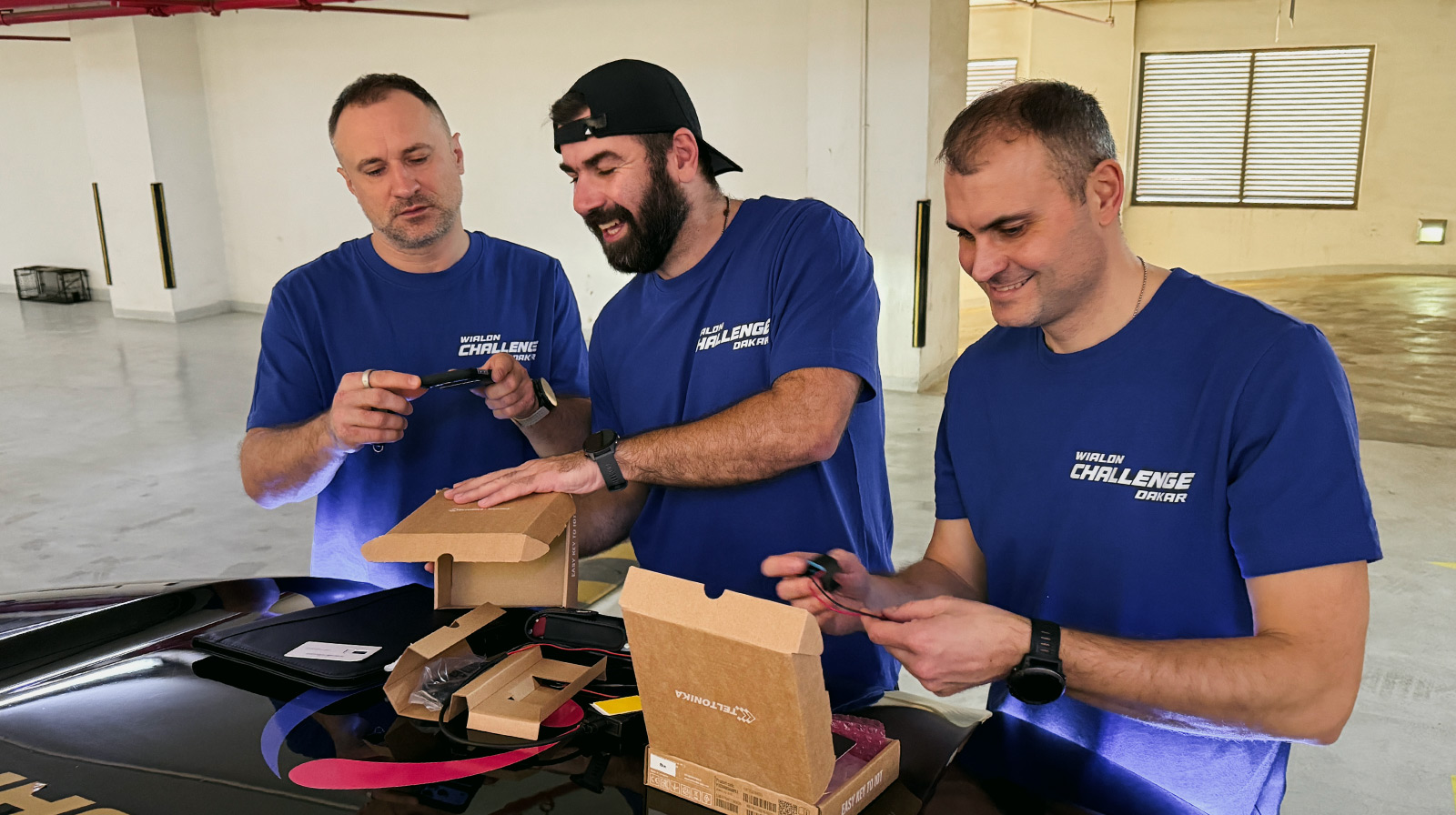
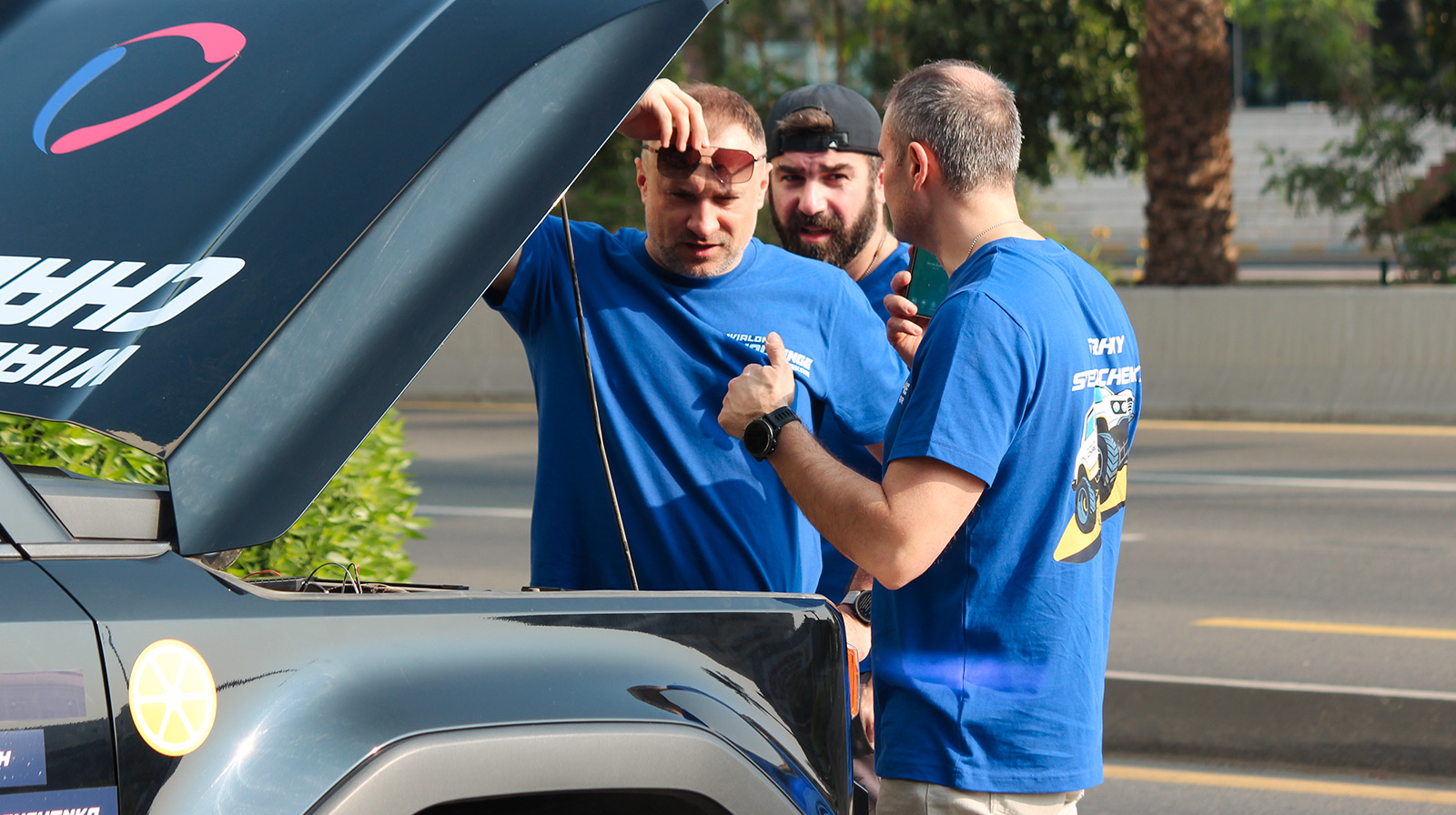
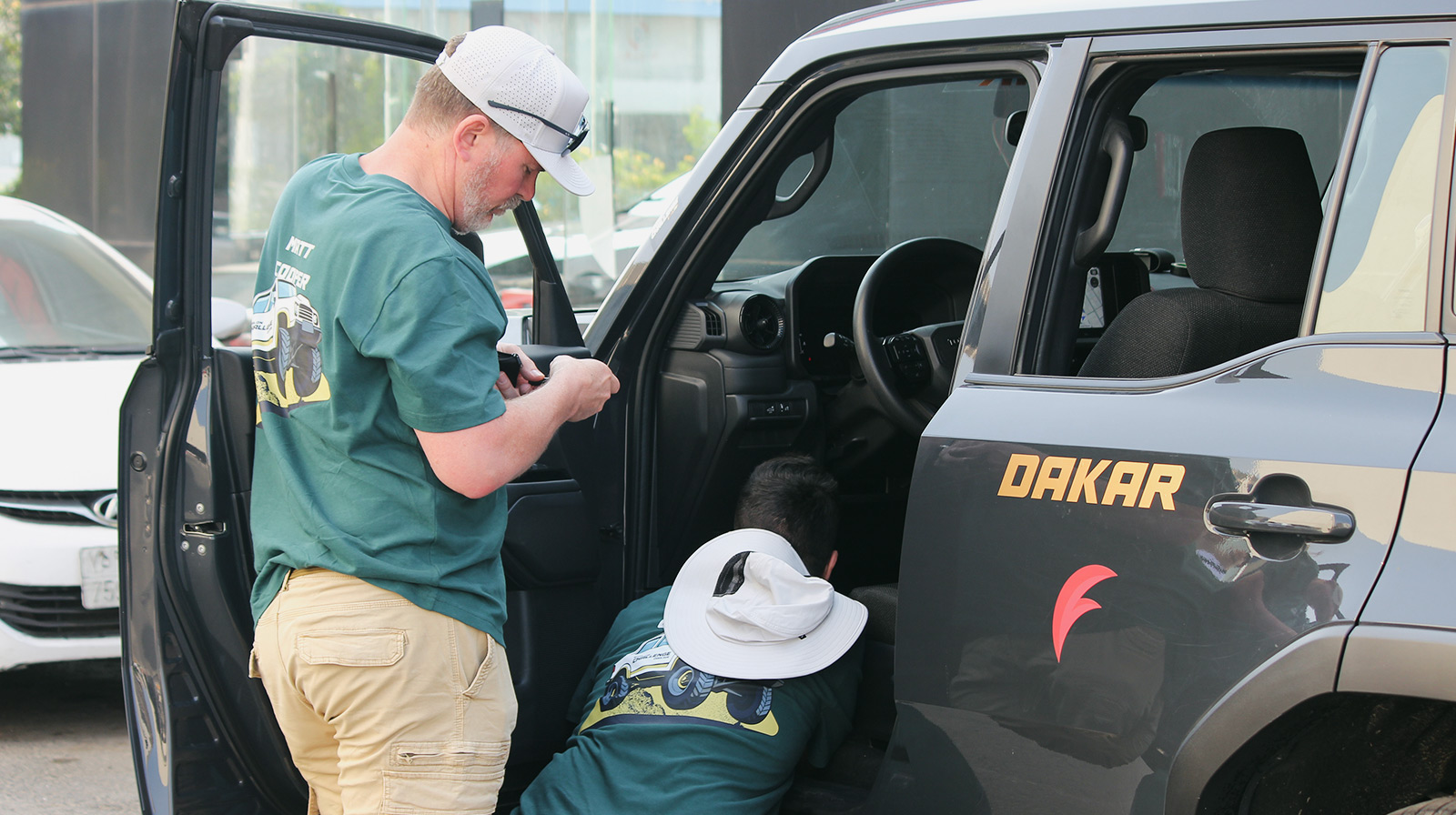
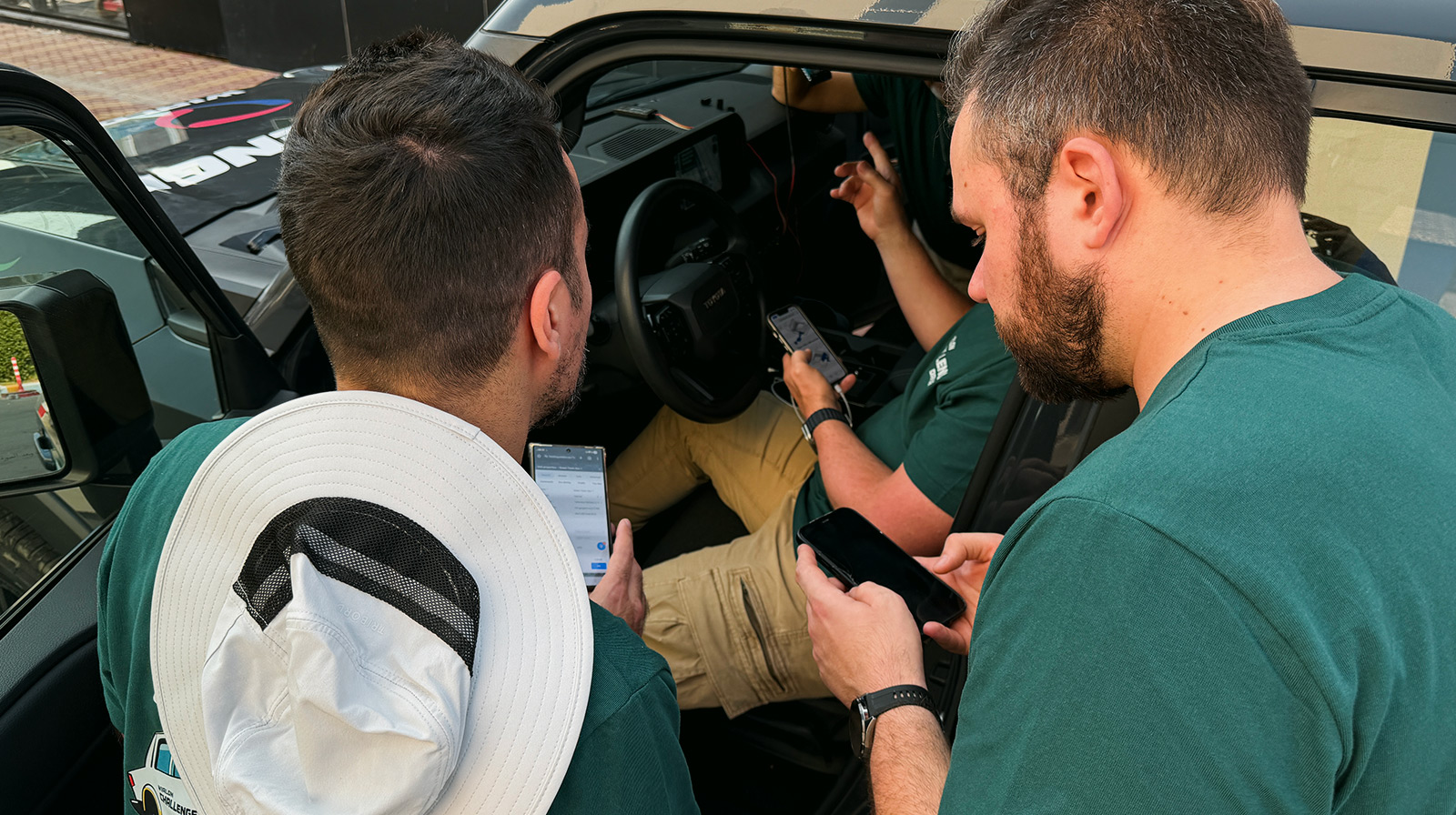
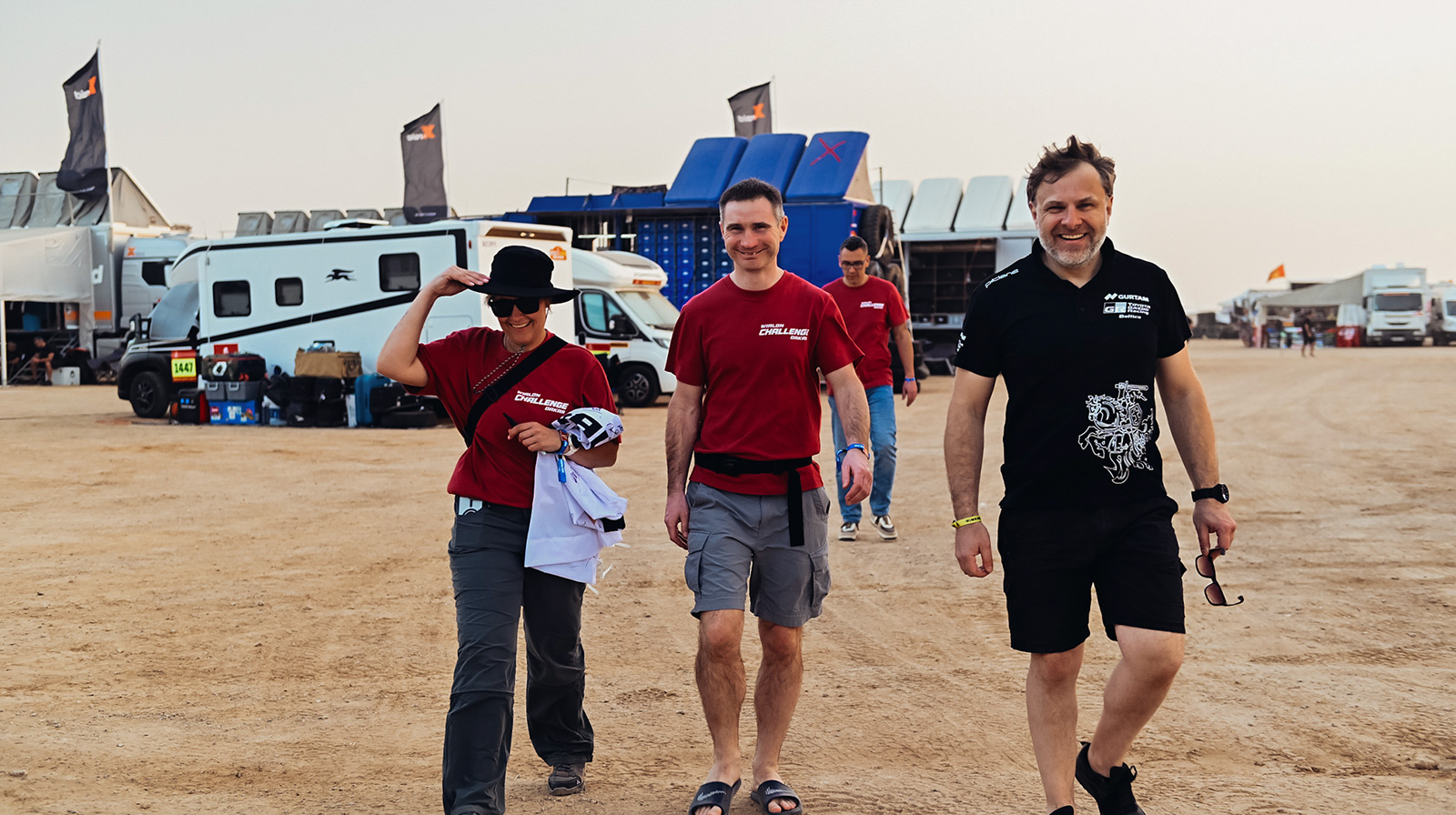
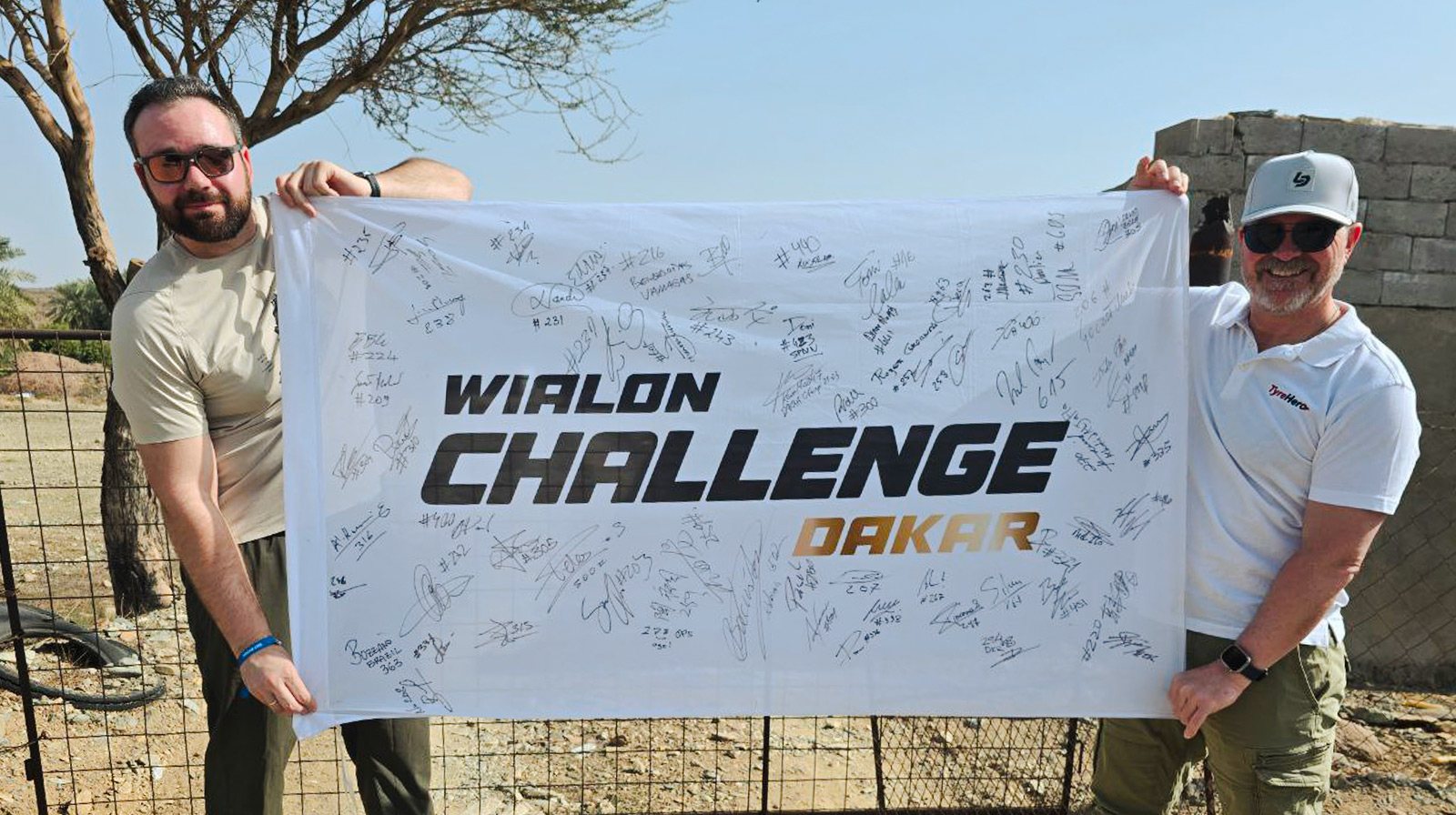
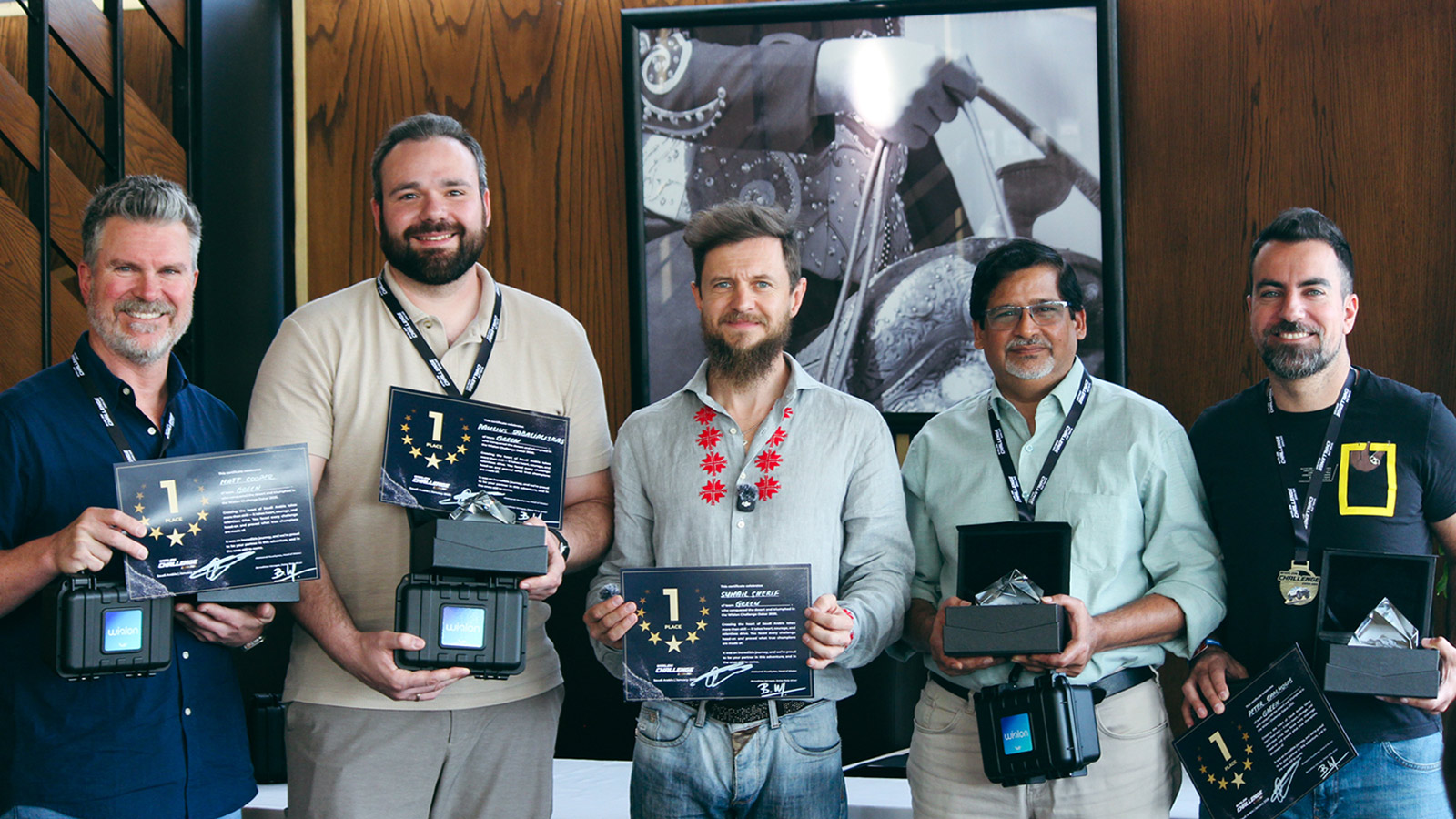
Green team: Matt Cooper (Australia), Paulius Sabaliauskas (Lithuania), Suhail Sherif (Tanzania), Peter Chalhoub (Lebanon)
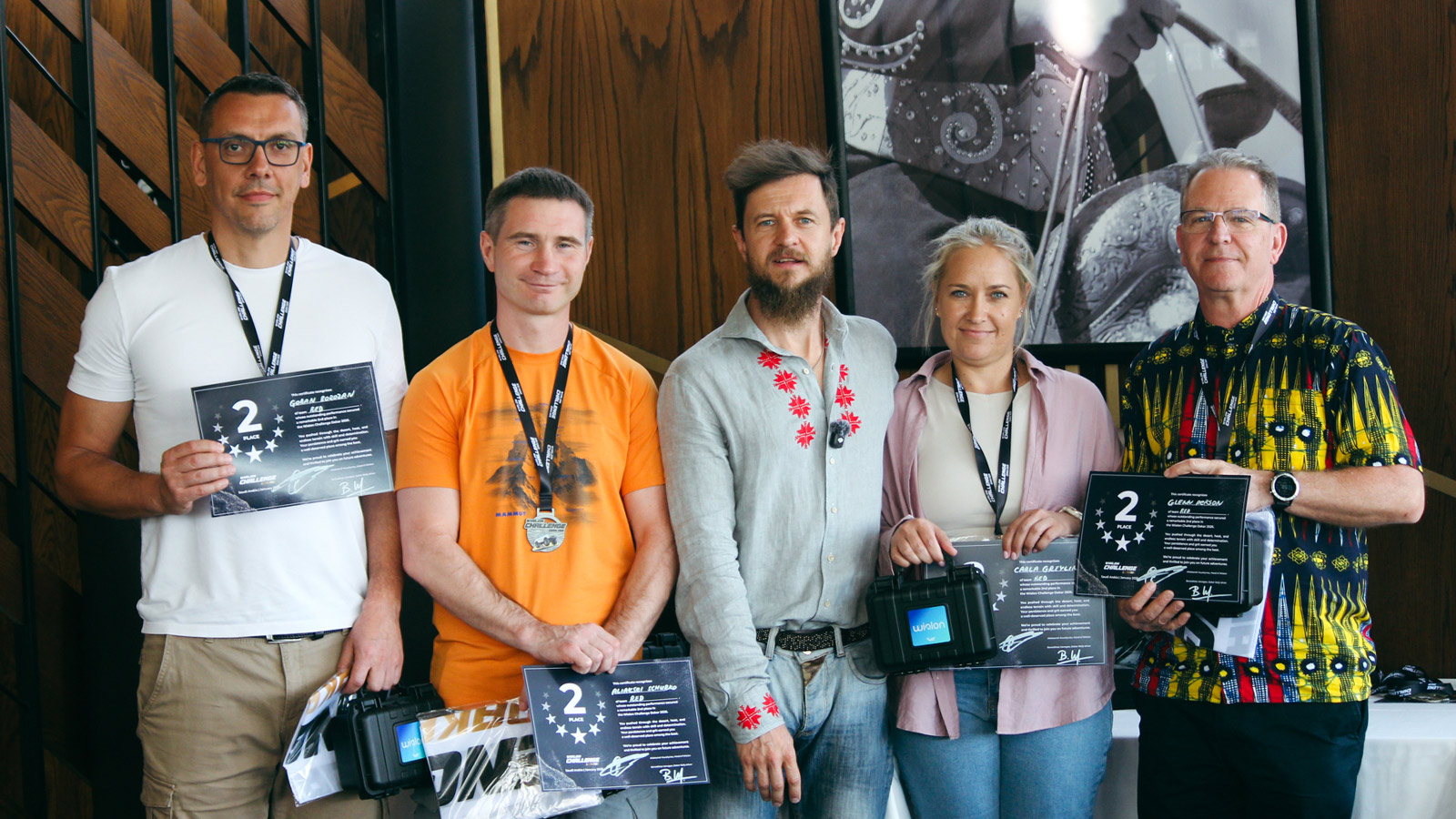
Red team: Goran Borozan (Serbia), Aliaksei Schurko (Belarus), Carla Greyling (South Africa), Glenn Person (Ireland)
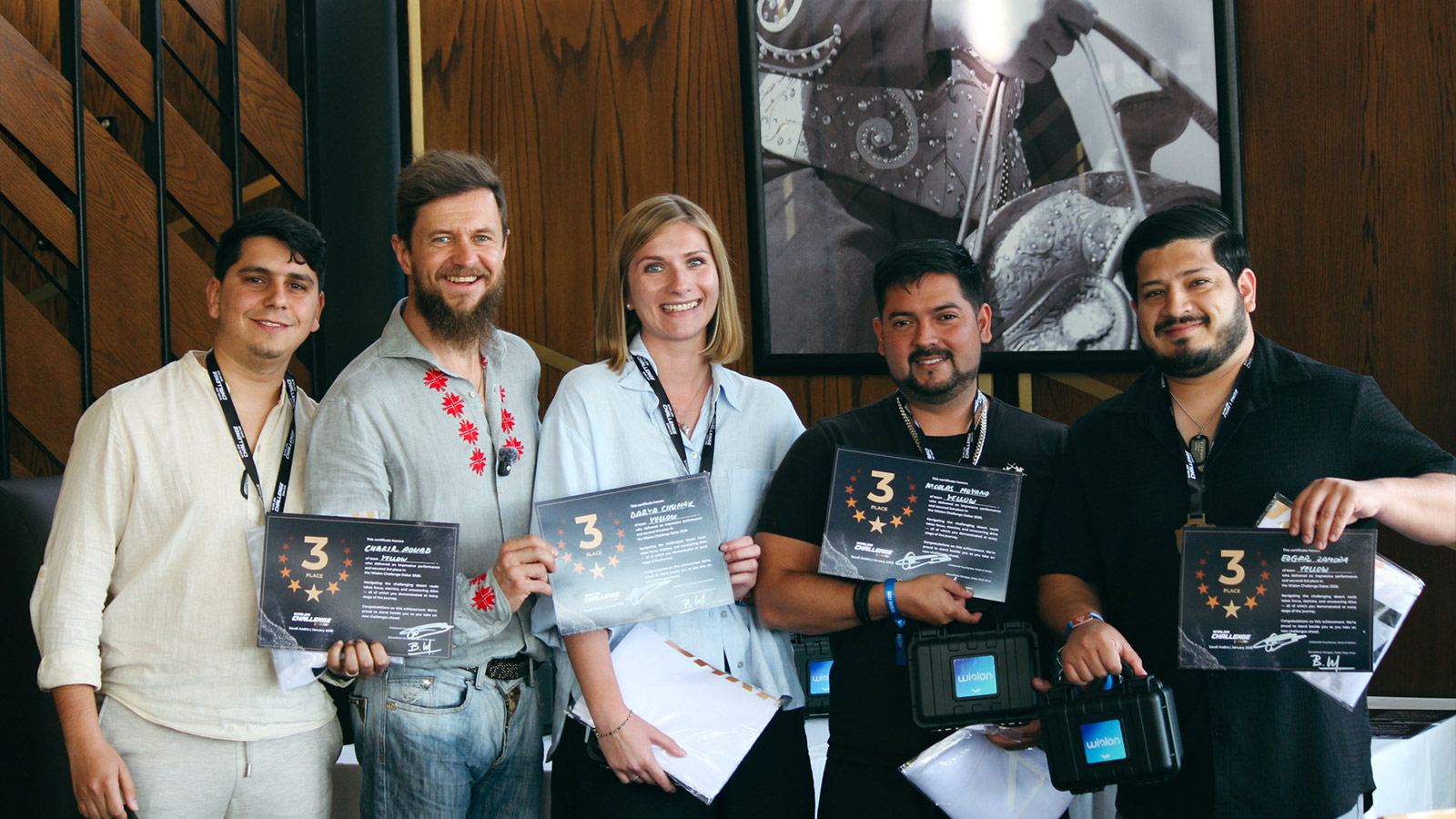
Yellow team: Chakir Aouad (Morocco), Darya Chumak (Belarus), Nicolas Moyano (Chile), Edgar Zamora (Mexico)
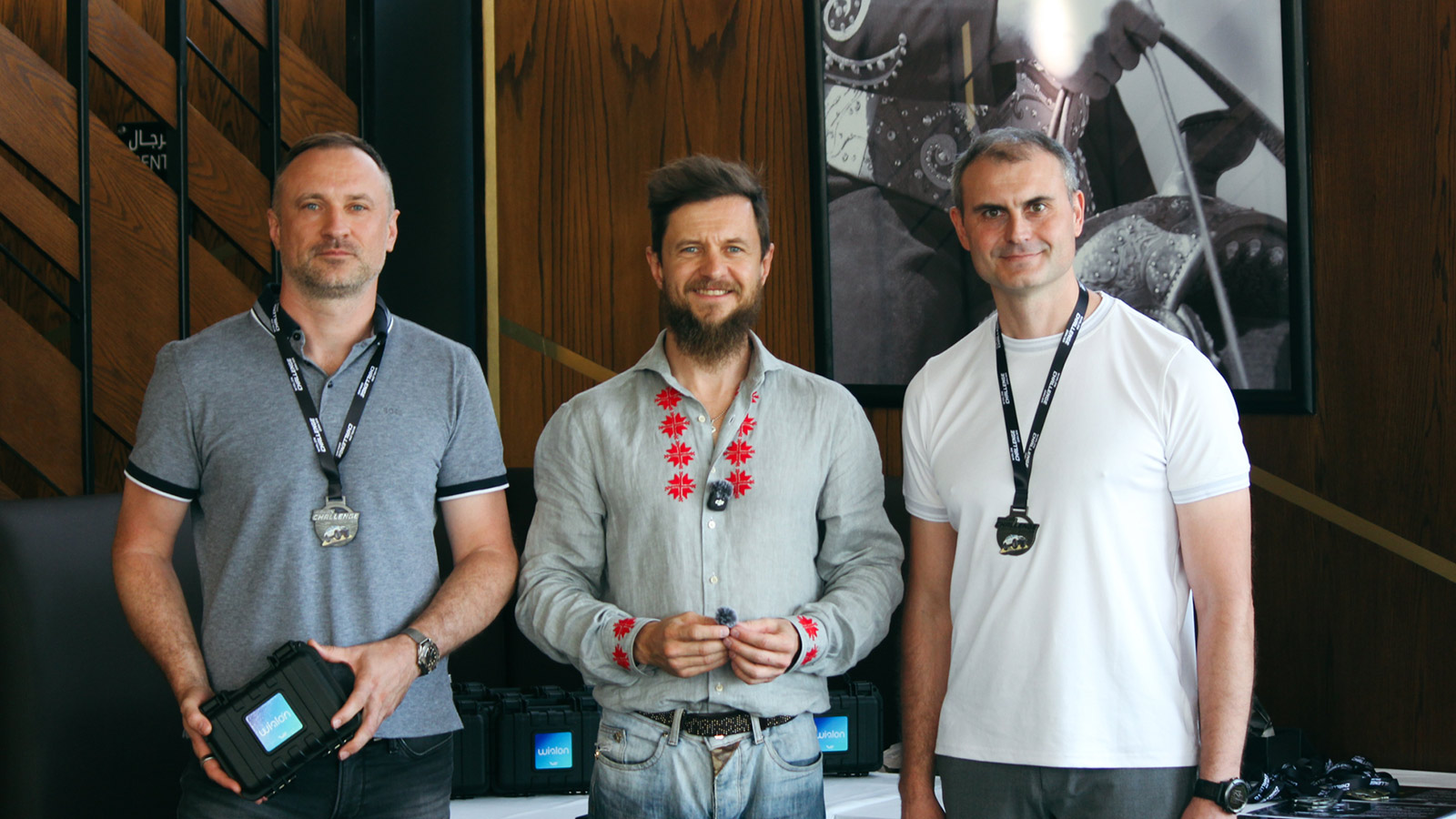
Blue team: Denis Strakh (Belarus), Serhiy Stepanchenko (Ukraine), Re'Al Awdah (Saudi Arabia) - not pictured, Giorgi Chugoshvili (Georgia) - not pictured

.jpg)
.jpg)
.png)

 (1).jpg)