Jul 24, 2026
 Updated on Jul 23, 2026
 6 min read
This article continues our Dev Insights series, where members of the engineering and product teams behind Wialon Platform take us behind the scenes of the technologies and features they’ve worked on directly.
Today, Pavel Chabai, System Analyst for Wialon Platform, takes a closer look at one of the least visible yet most important parts of the platform: the backend infrastructure powered by flespi.
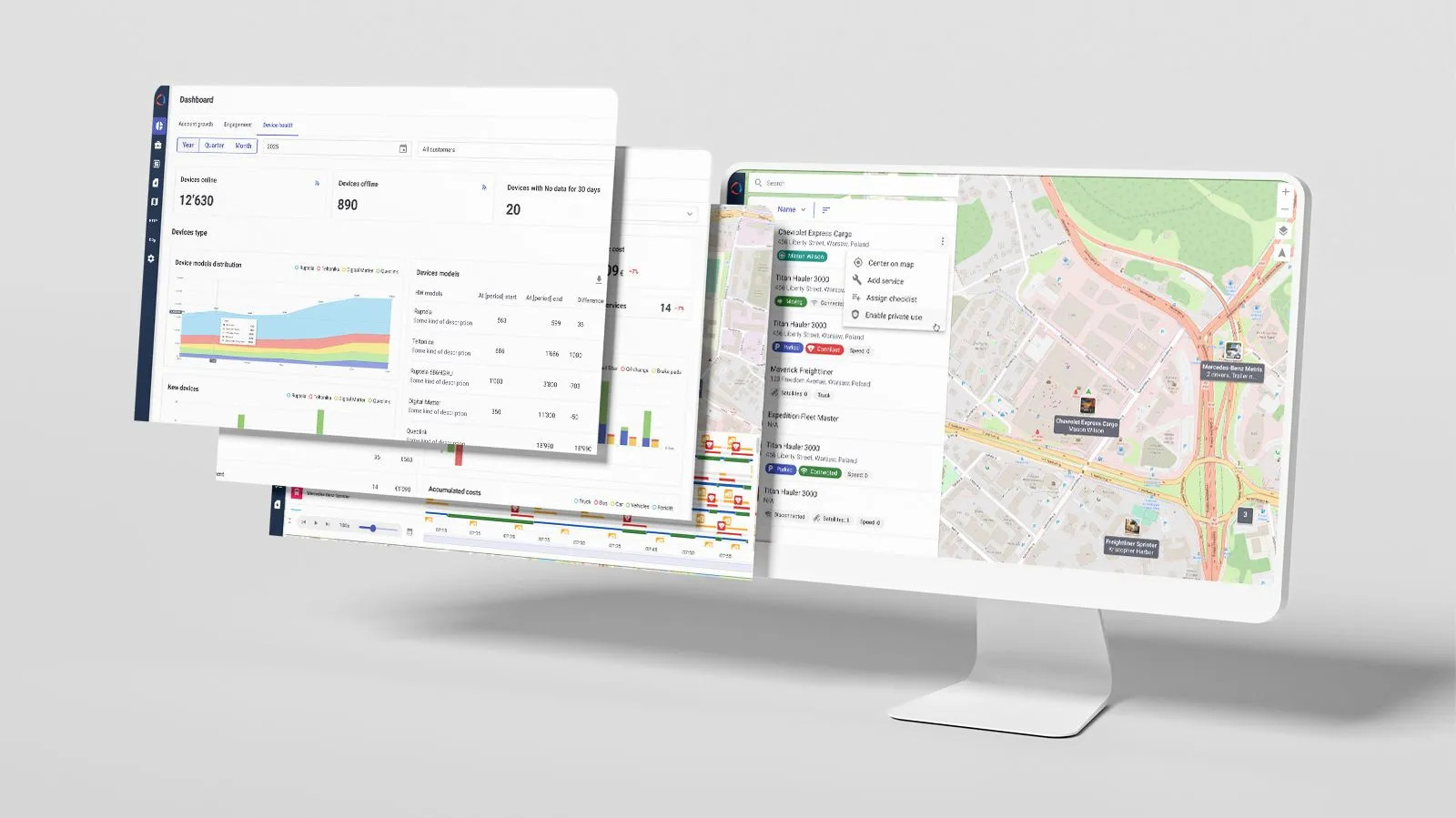
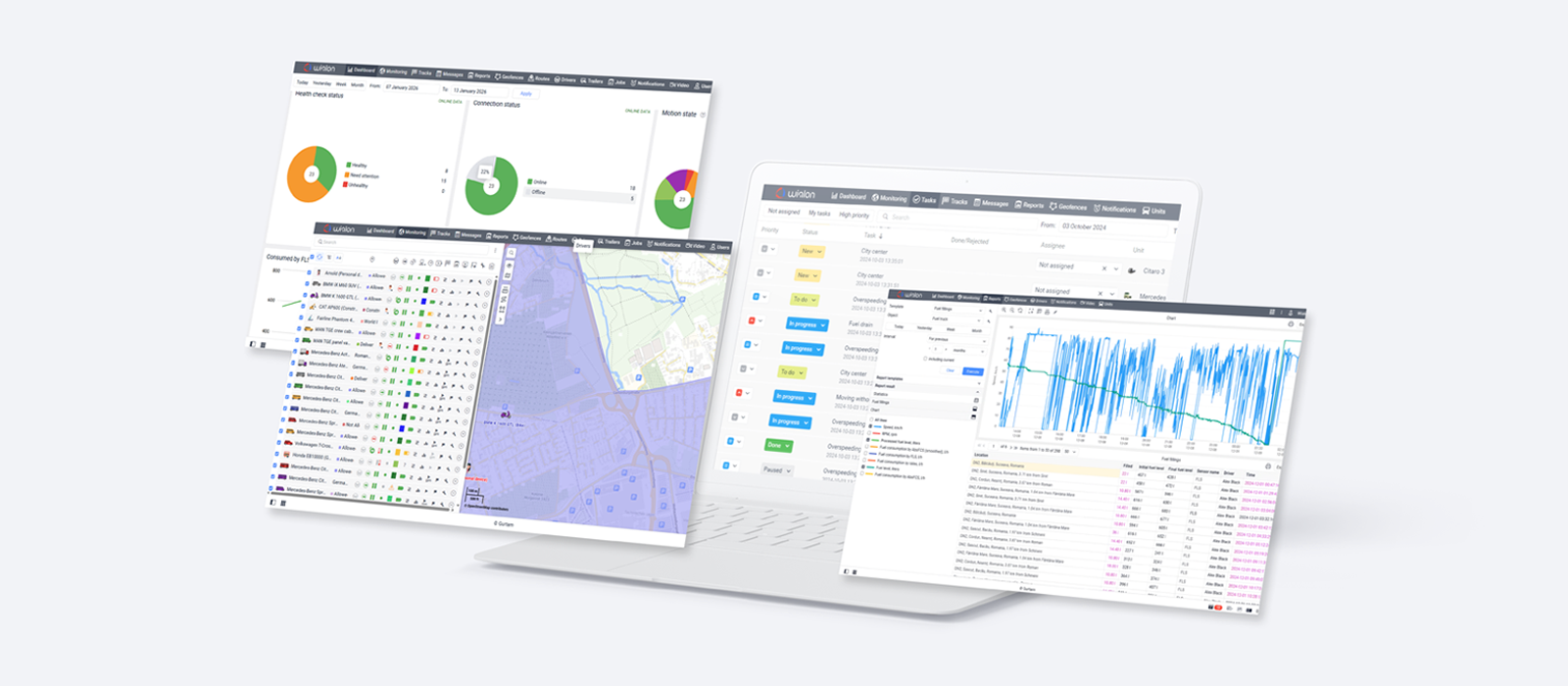
Wialon Platform: How it works and where it fits in the Wialon family
If you already know where Wialon Platform fits into the Wialon product family, feel free to skip this section.
__CTA_BANNER_WPGENERALEN__
That's the part most users never interact with directly. So let's take a closer look at the technology powering Wialon Platform.
Meet flespi: The engine you don't see
Wialon Platform runs on flespi, Gurtam’s cloud-native IoT and telematics backend. For nearly a decade, the flespi team has focused on connecting devices, processing telemetry, and giving developers the infrastructure to build IoT solutions.
Today, more than 6,000 users work with flespi, which supports over 1.8 million devices. The backend processes around 1.4 million telematics messages every minute — the kind of real-world load Wialon Platform needs its technical foundation to handle.
Within Wialon Platform, flespi stores and processes data, powers analytics, manages authorization, and provides other essential backend services. With these core layers already in place, the Wialon Platform team can focus on developing the product and building the tools partners need to create their own fleet management solutions.
Connecting any hardware without the integration headache
At the core of any fleet management platform is device data. The challenge is that different hardware manufacturers send that data in different formats, with different protocols, parameter names, and logic.
Here, flespi acts as a translation layer. It receives raw data streams from more than 1,600 device types made by over 100 manufacturers (and that number keeps growing!), including GPS trackers, wireless BLE sensors, MDVRs, and dashcams. It then converts everything into a standardized format before the data reaches Wialon Platform.
The result is simple: to Wialon Platform, the data looks the same whether it comes from a Teltonika or Queclink tracker. If a fleet owner decides to switch hardware vendors or use different devices across the fleet, there's usually no need for custom integration. You simply connect the hardware and keep working.
Built for telematics data from day one
Many SaaS products rely on generic relational databases, and for structured business data, that usually works well. Fleet management data is different: it flows in constantly from thousands of moving vehicles, sensors, and devices, and it needs to remain searchable across long periods of time.
That is why flespi’s database layer is so important for Wialon Platform. It was designed specifically for telematics and IoT data, rather than adapted to handle it later. This means retrieving history logs, running reports, and loading analytics stays fast, no matter how much telemetry builds up over time. Whether a company manages 500 vehicles or 50,000, everything operates with the same speed, because Wialon Platform runs on an infrastructure built exactly for this type of workload.
The API layer: One interface for integrations
Storing data is only part of the picture, as it also needs to be easy to access, integrate, and build on. Everything from configuring tracking hardware to accessing historical telemetry and analytics is available through a unified API powered by flespi's infrastructure.
Whether you're building your own application, integrating fleet data with your customers' ERP systems, or sending operational metrics to BI tools like Power BI, you work with a stable and consistent interface designed for integration.
One engineering team, from top to bottom
For partners, having Wialon Platform developers and flespi engineers as part of the same wider Gurtam team means fewer external dependencies and a more direct path to resolving technical issues. If something comes up in the data layer, Wialon Platform developers can go straight to the flespi engineers who maintain it, without waiting for an outside provider to step in.
That connection helps new ideas move faster, too. Both sides can talk through technical constraints from the start, find the right approach, and get improvements into the product with less back and forth.
Reliability by design
Just like Wialon Hosting, flespi's makes its uptime data publicly available: 99.9959% in 2024 and 99.96% in 2025.
__CTA_BANNER_SLAEN__
High availability doesn’t come at the expense of frequent updates. The flespi team rolls out changes throughout the day, and the infrastructure is designed to keep them from getting in the way of live operations.
With flespi powering the backend, Wialon Platform can keep improving in the background while partners and fleets carry on with their day-to-day work.
The same goes for flespi. Most people using Wialon Platform, whether solution providers or fleet operators, will never work with it directly. Yet it quietly supports the connected devices, data flows, and integrations they rely on every day.
Getting started with Wialon Platform
Now that you've had a look under the hood, the next step is to experience Wialon Platform for yourself.
Wialon Platform is available to all Wialon partners with a free access period until September 1, 2026. Explore our solution, test its capabilities, and see how it fits your own projects.
If you're already a Wialon partner, reach out to your Partner Success Manager to get started. If you're new to Wialon, contact us at sales@wialon.com to learn more.


.jpg)
.png)