Oct 20, 2026
 9 min read
What does a European fleet expect from its software? The answer changes with the business — and sometimes across the border. Driving-time rules may be shared, but daily routines, budgets, and privacy requirements vary. That leaves solution providers with an interesting task: deciding what each fleet’s solution should actually do.
Our work with Wialon partners across Europe gives us a close view of these differences. At IAA Transportation 2026, many of our conversations returned to the same questions: what is changing for fleets, and where can solution providers offer something useful? Here, we bring those discussions together with observations from our day-to-day work — and look at how Wialon can help.
Tachograph rules and fleet compliance
Tachographs have been mandatory for many commercial vehicles in Europe for years. The rules now cover lighter commercial vehicles, too. Since July 1, 2026, EU driving and rest-time rules have also applied to many vans used for commercial international goods transport or cabotage, with a maximum authorised mass, including any trailer, above 2.5 tonnes and up to 3.5 tonnes. These vehicles also need G2V2 smart tachographs. For such fleets, keeping track of driving hours, rest periods, and potential violations becomes part of the daily routine.
__CTA_BANNER_TACHOEN__
OEM vehicle data and telematics integrations
The relationship between vehicle manufacturers (OEMs) and aftermarket telematics providers is changing. The EU Data Act gives fleet operators more control over data from connected vehicles they own, lease, or rent. Meanwhile, services that bring data from different manufacturers together are making it easier to connect supported vehicles to fleet management systems without an additional tracker.
Wialon’s integration with High Mobility is one example: the data reaches Wialon through flespi, allowing mixed-brand fleets to work in one system rather than across separate manufacturer portals. For leased vehicles, this can be especially useful when installing extra hardware is impractical.
__CTA_BANNER_OEMEN__
Aftermarket hardware presents a different data-access challenge. As manufacturers from China bring electric trucks and light commercial vehicles to Europe, existing trackers and CAN adapters may not yet support some of the newer models. A fleet can know where a truck is and still lack battery information or other data from its onboard systems. That gap leaves room for hardware manufacturers and telematics companies to develop support for newer models and make more of the vehicle data available.
AI and predictive maintenance
Predictive maintenance is one of the areas where AI could make a significant difference for European fleets. Instead of relying solely on fixed maintenance schedules or waiting for something to break, fleet operators can use AI to analyze vehicle data and identify early signs of potential failures.
According to Market Data Forecast, Europe's broader predictive maintenance market is expected to expand from $5.94 billion in 2026 to $41.48 billion by 2034, at a compound annual growth rate of 27.5%. This development comes alongside the continued expansion of connected fleet management, with Berg Insight predicting 30.5 million active systems in Europe by 2029. For fleet operators, the potential benefits are straightforward: fewer unexpected breakdowns, better maintenance planning, and more reliable vehicle operations.
Electric fleets and charging data
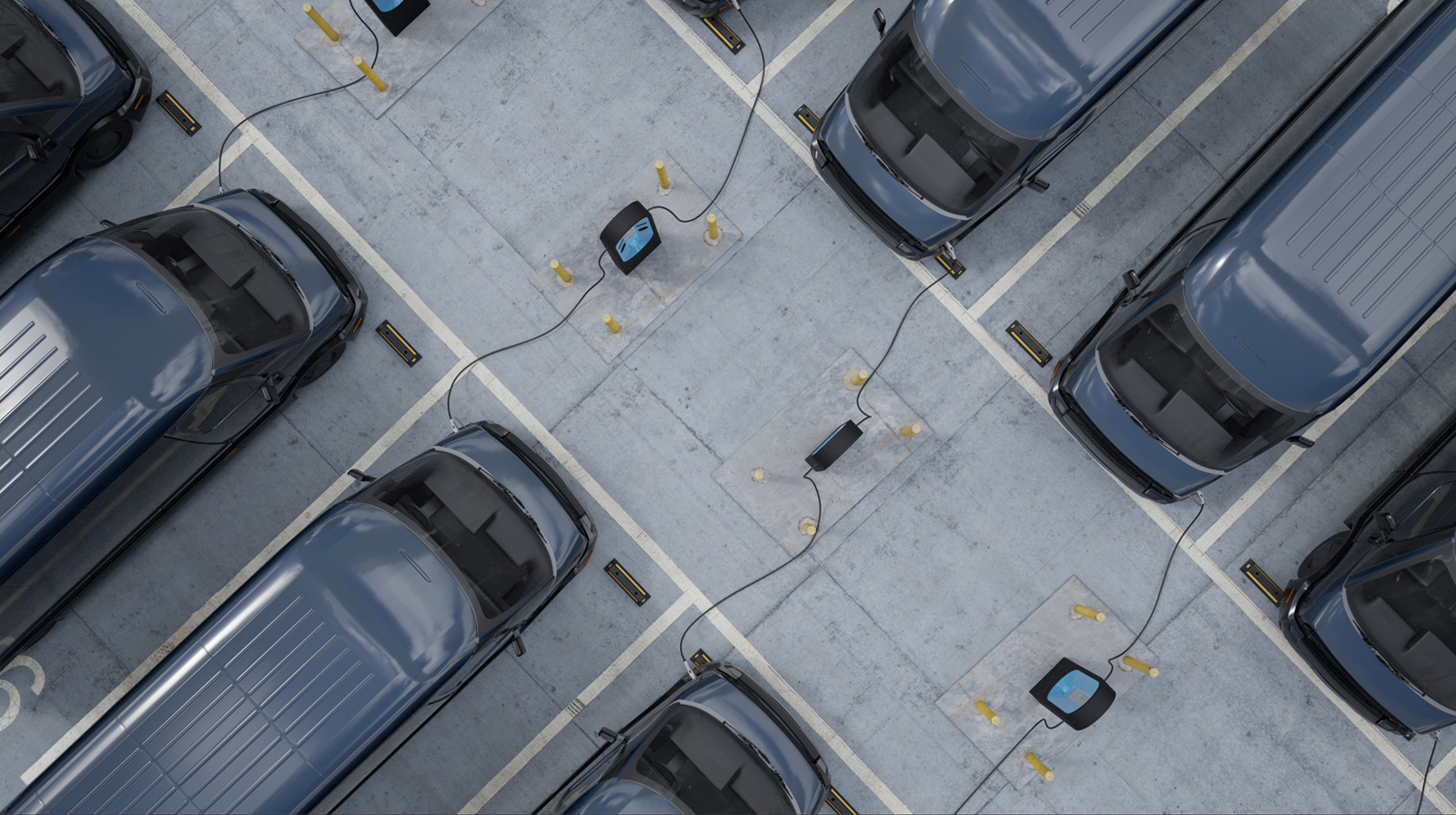
Charging is part of an electric fleet’s operating schedule. Operators need to understand battery charge levels, battery health, charging availability, and costs. But that information does not necessarily come from one place. Some parameters come from the vehicle, while charger availability and electricity prices may sit in separate systems.
Bringing those sources together could make it easier for fleets to decide when and where to charge, fit charging into the day’s schedule, and keep track of costs. A cheaper charging slot, for example, is little help if the vehicle has to be back on the road before charging is complete.
__CTA_BANNER_EVSEN__
Video telematics and driver privacy
A safety alert tells a fleet manager that something needs attention. Video adds the context to understand what happened. AI cameras can flag phone use, smoking, and signs of driver fatigue; a short clip gives the manager a way to review the incident without watching hours of footage.
With video telematics in Wialon Hosting and Wialon Platform, partners can bring that footage into the fleet solution alongside vehicle data.
Yet privacy requirements remain a major consideration, and approaches differ between European countries. A camera facing the road and one facing the driver raise different questions about what gets recorded and why. Camera placement and recording settings therefore matter when a solution is being designed. Fleet managers and solution providers have to balance the value of the footage with the privacy of drivers and other people captured on camera.
Driver shortage
Europe's driver shortage is putting growing pressure on fleet operators. According to the IRU's 2025 survey, around 502,000 truck driver positions remain unfilled across Europe, representing a 13% shortage rate, while two-thirds of operators report turning down contracts because they lack drivers.
For fleets already operating with limited driver availability, every unnecessary kilometer, prolonged idle period, and inefficient route adds pressure. This makes fleet optimization tools particularly valuable. Wialon helps businesses plan routes, identify excessive idling, and get a fleet-wide overview of vehicles’ utilization. Better use of available resources can help operators maintain productivity even when expanding their workforce is difficult.
Emissions tracking and sustainability compliance
Sustainability reporting is becoming an important part of European fleet management. Although the EU's Omnibus I reforms have reduced the number of companies required to report under the Corporate Sustainability Reporting Directive (CSRD), larger businesses still need information about emissions across their supply chains, including transport services. This creates demand for reliable emissions data from fleet operators, even when they aren't directly subject to the reporting rules. Wialon Platform's emissions reporting feature helps fleets keep track of emissions from their own vehicles (known as Scope 1 emissions), giving fleet management service providers an opportunity to offer emissions monitoring and reporting as an additional service.
Asset tracking beyond vehicles
Fleet digitalization reaches beyond the vehicles on the road. Trailers, containers, shared tools, and equipment inside buildings all play a part in keeping the fleet moving. When one goes missing or its condition changes, knowing where the vehicle is may not be enough.
For trailers, containers, and other non-powered assets, businesses want to understand what happens along the way. Has the cargo stayed at the right temperature, and do the trailer’s tires need attention? Location tracking, temperature sensors, and tire pressure monitoring answer different but complementary questions. Together, they reflect a broader shift toward monitoring more of the assets involved in everyday operations.
Inside large facilities, the challenge can be more immediate: someone needs a piece of equipment and cannot find it. Consider a hospital where staff search for available medical equipment, or a factory where shared tools move between production areas. The item may be somewhere on site, but that is little use to the person waiting or searching for it.
Indoor asset tracking helps narrow the search to the building, floor, and zone where a tagged item was last detected. In Wialon Platform, those locations appear on digital floor plans, so staff can look for equipment using the room and department names they already know.
The applications can range from helping prevent supermarket trolley theft to keeping track of reusable transport crates. Knowing where these assets are helps staff find them when needed and spend less time searching.
__CTA_BANNER_001INDOOREN__
Projects like these draw on experience Wialon partners already have — understanding how a business operates and turning data into useful information. Indoor asset tracking gives another service to offer existing fleet customers — helping locate tools, equipment, and other assets inside their facilities.
Building fleet solutions with Wialon Platform
These market developments do not call for the same solution in every fleet. A transport business may prioritize driving-time monitoring, while a rental company focuses on vehicle inspections. Budgets and the level of digitalization vary, too. The tools have to fit the way the business operates.
With Wialon Platform, service providers can build fleet solutions around those priorities — choose and configure functionality, customize the interface, and apply their own branding. They also control how the solution is packaged and how their services are priced, so the result fits both the fleet’s daily work and its budget.
“Put two fleet managers in the same room and ask what they need from technology. They may work under the same European regulations, yet give you very different answers. One is trying to keep deliveries on schedule. The other is dealing with charging costs or getting reliable data from their vehicles.
A provider has to know which of those problems is worth solving first. That takes time with the customer and a real understanding of how the business runs. There is a lot of room for that kind of work in Europe.We want Wialon to give our partners more freedom to act on that understanding. They know the fleet, they see where the work gets stuck, and they should be able to shape an application around it. That is how I see us growing in this market: giving providers more scope to create fleet digitalization solutions their customers have a reason to keep using.”
— Aliaksandr Kuushynau, Head of Wialon.
There is plenty of work left to do in European fleet management. Even a fleet already using telematics may still be piecing together charging costs, missing useful vehicle data, or searching for equipment inside its own facilities. For fleet management providers, these are opportunities to expand what they offer.
Wialon gives several ways to approach that work: Wialon Platform for branded fleet solutions with tools such as tachograph control and indoor asset tracking; Wialon Hosting for robust fleet management, video telematics, and detailed reporting; and Wialon Lite for essential everyday tracking.
Have a project in mind — or a challenge worth exploring? Wialon partners can speak with their Partner Success Manager or write to partners@wialon.com. If you’re new to Wialon, write to sales@wialon.com — we’d love to hear what you’re working on.
__SOCIALS_EN__


.jpg)

.png)